Genetic Conspiracy
Etiquetas: Genetic Conspiracy, Video
Este es el blog bilingüe del Proyecto de Bioseguridad de Puerto Rico, organización formada en mayo de 2004 para educar a la ciudadanía acerca de las implicaciones éticas, ecológicas, políticas, económicas y de salud pública de los cultivos y productos genéticamente alterados, también llamados transgénicos. También presentamos alternativas basadas en la agricultura sustentable. Para más info, escríbanle a Carmelo Ruiz Marrero: ruizcarmelo@gmail.com
Nuts, negligence and character assassination
- GM Watch
There's no better index of the moral and intellectual bankruptcy of many GM promoters than the regularity with which they resort to the tactic of shooting the messenger. These kind of smears and personal attacks were once a staple of CS Prakash's AgBioView list, but more recently the strategy seems to be to post this kind of stuff onto blogs and websites and then recycle it across a series of pro-GM sites and listservs.
Here's a recent example from CS Prakash's 'GMO Food for Thought': http://www.lobbywatch.org/archive2.asp?arcid=8552
Etiquetas: Prakash
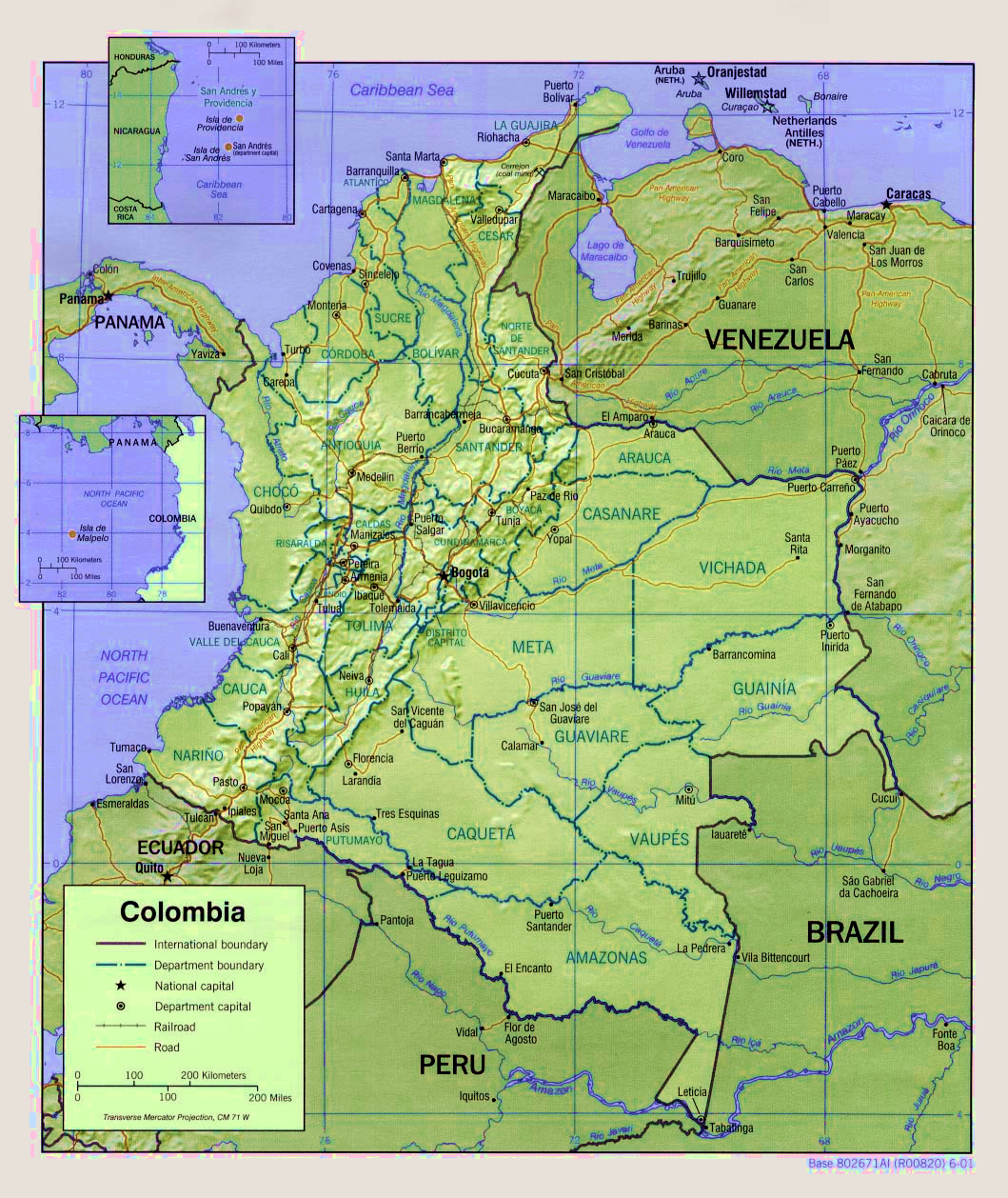
LOS NEGOCIOS DEL BIOCOMBUSTIBLE Y DE LA CAÑA DE NUESTROS EMPRESARIOS Y EL GOBIERNO NACIONAL
Héctor Mondragón, Mayo 2007
Etiquetas: Agrocombustibles, Colombia
Company Research on Genetically Modified Foods is Rigged
responsibletechnology.org, Nov 21 2007 http://foodconsumer.org/7777/8888/T_echnologies_40/112107022007_Company_Research_on_Genetically_Modified_Foods_is_Rigged.shtml
In 2004, four advocates of genetically modified (GM) foods published a study in the British Food Journal that was sure to boost their cause. [1] According to the peer-reviewed paper, when shoppers in a Canadian farm store were confronted with an informed and unbiased choice between GM corn and non-GM corn, most purchased the GM variety. This finding flew in the face of worldwide consumer resistance to GM foods, which had shut markets in Europe, Japan, and elsewhere. It also challenged studies that showed that the more information on genetically modified organisms (GMOs) consumers have, the less they trust them. [2]
The study, which was funded by the biotech-industry front group, Council for Biotechnology Information and the industry's trade association, the Crop Protection Institute of Canada (now Croplife Canada), was given the Journal's prestigious Award for Excellence for the Most Outstanding Paper of 2004 and has been cited often by biotech advocates.
Stuart Laidlaw, a reporter from Canada's Toronto Star, visited the farm store several times during the study and described the scenario in his book Secret Ingredients. Far from offering unbiased choices, key elements appeared rigged to favor GM corn purchases. The consumer education fact sheets were entirely pro-GMO, and Doug Powell, the lead researcher, enthusiastically demonstrated to Laidlaw how he could convince shoppers to buy the GM varieties. He confronted a farmer who had already purchased non-GM corn. After pitching his case for GMOs, Powell proudly had the farmer tell Laidlaw that he had changed his opinion and would buy GM corn in his next shopping trip.
Powell's interference with shoppers' 'unbiased' choices was nothing compared to the effect of the signs placed over the corn bins. The sign above the non-GM corn read, 'Would you eat wormy sweet corn?' It further listed the chemicals that were sprayed during the season. By contrast, the sign above the GM corn stated, 'Here's What Went into Producing Quality Sweet Corn.' It is no wonder that 60% of shoppers avoided the 'wormy corn.' In fact, it may b e a testament to people's distrust of GMOs that 40% still went for the 'wormy' option.
Powell and his colleagues did not mention the controversial signage in their study. They claimed that the corn bins in the farm store were 'fully labelled' - either 'genetically engineered Bt sweet corn' or 'Regular sweet-corn.'
When Laidlaw's book came out, however, Powell's 'wormy' sign was featured in a photograph, [3] exposing what was later described by Cambridge University's Dr. Richard Jennings as 'flagrant fraud.' Jennings, who is a leading researcher on scientific ethics, says, 'It was a sin of omission by failing to divulge information which quite clearly should have been disclosed.' [4]
Jennings is among several scientists and outraged citizens that say the paper should have been withdrawn, but the Journal refused. Instead, it published a criticism of the methods by Canadian geneticist Joe Cummins, and allowed Powell to respond with a lengthy reply. [5]
In his defence, Powell claimed that his signs merely used the language of consumers and was 'not intended to manipulate consumer purchasing patterns.' He also claimed that the 'wormy' corn sign was only there for the first week of the trial and was then replaced by other educational messages. But eye witnesses and photographs demonstrate the presence of the sign long after Powell's suggested date of replacement. [6]
This incident illustrates how so-called scientific papers can be manipulated to force conclusions favorable to authors or funders and how peer-reviewed journals may be complicit. While the subject of this particular study provided ammunition in the battle to deny choice to consumers in North America, there is similar 'cooked' research in the more critical area of GMO safety assessments.
Etiquetas: Doug Powell
IRRI Inc
Consultative Group's rice research institute goes into business
GRAIN
The International Rice Research Institute (IRRI) has worked harder than any other institution, outside of China, to put hybrid rice [1] in Asia's paddy fields. For over twenty years now, the CGIAR [2] centre has bred parental lines, shared these with national agricultural research stations (NARS) and campaigned to the best of its ability to convince policy-makers of their importance. And now, after years of frustrating failures, hybrid rice is finally enjoying a mini-boom, with several countries in Asia now bankrolling their commercialisation and production and with the world's biggest seed companies, along with some emerging seed tigers in Asia, making big moves to take-over the market. [3]
The problem for IRRI though is that the boom is leaving them in the dust. Most of the deals happening in Asia are with Chinese corporations, utilising Chinese hybrid varieties. The few others are deals between the NARS and private companies, with the NARS collecting royalties on germplasm initially supplied by IRRI. To top it off, IRRI's own funding for hybrid rice has completely dried up, with no signs of any donors coming to the rescue; even long-time supporters like the Asian Development Bank are no longer interested in hybrid rice. [4]
Not wanting to close-up shop on its hybrid rice work, IRRI decided that something needed to be done to restore its central place in the hybrid rice world. One option, on the table for several years, was to take a more aggressive approach and start selling exclusive licenses to its hybrid parental lines. In other words, start acting like a regular seed business. ICRISAT, another CGIAR centre, had already gone in this direction-- creating a consortium of private sector companies that could bid for the rights to its hybrid lines for sorghum, pigeonpea and other crops. [5] But IRRI refused to follow.
"We will not give anybody exclusive rights to our seeds," IRRI's lead hybrid rice breeder SS Virmani told GRAIN in September 2004. "We want to keep them in the public domain." [6]
IRRI's now had a change of heart. On November 9, 2007, in the midst of the Asian Seed Congress, it announced the formation of its Hybrid Rice Research and Development Consortium.
IRRI's consortium is, for all intents and purposes, indistinguishable from ICRISAT's. It lays the foundation for a direct relationship between IRRI and private seed companies: IRRI supplies the parent lines and corporations, who gain exclusive rights to the varieties, handle the marketing. Even though IRRI says that the "primary beneficiaries" of the funds raised by the consortium will be the national public programmes working on hybrid rice, the money flows entirely to IRRI, and it keeps control of the background information on the parental lines. [7] This way, IRRI cuts the NARS out of the royalty stream and ensures that it remains the central hub for the development of new parental lines (See details of the Consortium in the box below).
IRRI justifies this major move into business by saying that it is the only way to salvage their work on hybrid rice. It believes that hybrid rice will be key to raising yields in the intensive, irrigated land areas and it argues that it is the only institution capable of carrying out the necessary research for the sub-tropical countries. The coordinator of the consortium, IRRI's Achim Dobermann, says they are "very concerned" by the promotion of Chinese hybrids in Asia's sub-tropics. He says that this germplasm was not developed for the region and, as a result, many of the hybrids will fail - "threatening the overall development of hybrid rice". [8]
To date, however, the evidence that IRRI's hybrid rice varieties increase yields is sketchy at best. Most evidence points in the other direction-- with embarrassing farmer drop-out rates from national hybrid rice programmes despite heavy subsidies. [9]
What hybrid rice has achieved, however, is the development of a private rice seed industry. From practically nothing a decade ago, corporations and their local partners are now investing millions of dollars to get into the rice seed market, with nearly all of this money flowing into hybrid rice. In 2007, all of the top 5 global seed companies announced major moves in Asia's hybrid rice seed industry. The largest being Vilmorin's purchase of a 46.5% stake in Yuan Longping High-tech Agriculture—one of China's largest hybrid rice seed companies and a major player outside of China. [10]
It is not the performance of hybrid rice that attracts seed companies; it's that farmers can't save seeds from these varieties, thus guaranteeing the companies a captive market. With the Consortium, they can leave the difficult basic breeding to IRRI while still getting the exclusive rights to the major markets in the end. The next step will of course be to modify these lines with their patented GM traits-- something not precluded by the terms of reference of the Consortium.
What about the obligation to the "public" that Virmani emphasised three years ago? The varieties that IRRI develops are based on the seeds that it holds, "in trust" for humanity, in its extensive seed collection. It bears repeating that these seeds were collected from farmers' fields. While it may be that the parental lines involved in the consortium have undergone considerable breeding by IRRI breeders, through the Consortium IRRI is still exercising monopoly privileges over the germplasm it holds and making money off of it-- by selling off the exclusive rights to it. IRRI can talk all it wants about the public benefits, but this cannot gloss over the betrayal at the heart of this operation.
Uruguay se apresta en breve a definir por ley si seguirá usando organismos transgénicos en la producción local. Si bien la decisión del oficialismo en este tema todavía no es clara, durante los trabajos de preparación del marco normativo, varios asistentes técnicos elaboraron documentos que advierten sobre los perjuicios que generan los maíces y la soja transgénicos
Etiquetas: Uruguay
"En un contexto de crisis del campo y de la agricultura campesina e indígena, de conflictos agrarios contra las comunidades y el ejido, de pretensiones de privatizar el agua y los recursos de las comunidades, los agrocombustibles pueden ser una nueva amenaza del modelo neoliberal. Nos declaramos en defensa permanente de los territorios campesinos e indígenas, el ejido y la comunidad. No permitiremos que la expansión de los cultivos para combustibles agroindustriales se de a costa del despojo de sus territorios y recursos. Reivindicamos nuevamente la demanda de reconocimiento de los derechos de los Pueblos Indígenas y el derecho a su libre determinación"
Los días 30 y 31 de agosto del 2007, nos reunimos en la Ciudad de México en el Foro: Agrocombustibles y soberanía alimentaria, 260 personas representantes de 81 organizaciones sociales y civiles, 12 instituciones académicas y 3 gubernamentales, con asistentes de Brasil, Estados Unidos, Europa, El Salvador, Uruguay, Chile, Costa Rica y de la Ciudad de México, Colima, Chiapas, Guanajuato, Hidalgo, Jalisco, Sonora, Sinaloa, Puebla, Tlaxcala, Morelos, Guerrero, Veracruz, Estado de México, Chihuahua, Hidalgo, Michoacán, Oaxaca. Querétaro Tabasco, Yucatán y Zacatecas, para analizar las distintas aristas de la producción de agrocombustibles.
Después de conocer y analizar la situación de los cultivos y producción de agrocombustibles en Brasil, Estados Unidos, Europa y países tropicales, como Indonesia, Tailandia, Colombia, en donde la fabricación de agrocombustibles inició antes, y de analizar el contexto internacional y nacional en el que se da el auge y promoción de los cultivos para su uso como combustibles concluimos que:
El discurso que desde los gobiernos y las empresas transnacionales promueve la producción de los agrocombustibles se ha construido colocándolos como la panacea que resolverá los impactos causados por los combustibles fósiles en el calentamiento global, sin tener que modificar los patrones de consumo sobre los que está construido el modelo civilizatorio occidental derrochador de energía. Sin embargo hay estudios científicos opuestos que sostienen que los agrocombustibles pueden reforzar algunas de las principales causas del calentamiento global.
La agricultura y la ganadería industrial, las plantaciones de monocultivos, junto con la deforestación para abrir nuevas tierras a la producción, son causa de cerca del 40 por ciento de los gases invernadero en el planeta. El cultivo de agrocombustibles aumentará el área cubierta por estas formas de producción, acompañado de la deforestación y el uso de insumos industriales que conlleva. Debido a que son especies de rápido crecimiento, los cultivos y plantaciones para agrocombustibles requieren cantidades de agua muy elevadas, que se suman al agua requerida para su producción en la industria: el proceso para producir un litro de etanol consume de 6 a 10 litros de agua. Así el cultivo de grandes áreas de agrocombustibles y su procesamiento llevará a la contaminación y mayor escasez de agua, al desecamiento de tierras, pozos, napas freáticas, arroyos y ríos.
Los agrocombustibles profundizan la competencia entre la agricultura industrial y la agricultura campesina, por la tierra, el agua y otros recursos escasos. Si se cumplieran las metas de producción de agrocombustibles de los países del norte ¾de por sí solamente un pequeño porcentaje del consumo total de combustibles fósiles en esos países¾ Europa necesitaría plantar 70 por ciento de su superficie agrícola con agrocombustibles y Estados Unidos tendría que utilizar toda su producción de maíz y soya como agrocombustibles.
Las empresas que producen transgénicos se han montando en la promoción de los agrocombustibles para abrir la puerta a cultivos transgénicos y justificar su uso. Para ello están desarrollando transgénicos específicos para agrocombustibles en maíz, caña de azúcar, soya, colza y otros cultivos, así como bacterias y enzimas transgénicas que se insertan en los cultivos o en el proceso de transformación de estos en etanol o biodiesel. La mayoría de los cultivos transgénicos serán no comestibles, elevando el riesgo de contaminación de los cultivos campesinos convencionales y en todos los casos representarán nuevas amenazas al ambiente y a la salud, por el riesgo de que terminen en la cadena alimentaria. También justifican la siembra de árboles transgénicos para producir etanol a partir de celulosa, introduciendo un riesgo aún más grande de contaminación, ya que los árboles duran muchos años y durante todo el tiempo emiten polen transgénico.
Como solución para evitar la contaminación, plantéan el uso de la tecnología “Terminator”. Pero el uso de Terminator para contener la contaminación también es una falacia, ya que no funcionará en la totalidad, y agregará nuevos problemas al difundir una tecnología de semillas suicidas que tendría grandes impactos en los cultivos, la naturaleza y los campesinos.
Detrás del auge de los agrocombustibles se encuentran las principales empresas transnacionales del sector automotriz, del sector energético y del sector agrícola, quienes los utilizan como una herramienta para favorecer sus intereses y avanzar en la concentración monopólica de sus mercados. Los agrocombustibles benefician a Cargill, Monsanto, ADM, Bunge, Chevron, Dupont, Toyota, Dow, British Petroleum, entre otras.
Es falso que los agrocombustibles no competirán con los cultivos básicos y que por tanto no afectarán la soberanía alimentaria, ya que la superfcie de los cultivos destinados a agrocombustibles forzosamente irá en detrimento de los cultivos alimenticios o se conseguirá abriendo nuevas áreas de cultivo, destruyendo selvas, bosques, acahuales.
Los precios de los alimentos básicos para los consumidores están aumentando en todo el mundo: México, Alemania, Francia, Estados Unidos, como efecto del aumento de los precios internacionales de los productos agropecuarios, provocado directa o indirectamente por el aumento de la demanda de cultivos agrocombustibles. En la mayoría de los casos estos aumentos se han agravado por la especulación y control monopólico de los mercados alimentarios por las empresas transnacionales y por la eliminación de las funciones e instrumentos de regulación del Estado.
El aumento de los precios agrícolas ha favorecido a los campesinos y agricultores después de años de precios internacionales artificialmente deprimidos, sin embargo son aumentos coyunturales ya que las industrias buscarán exprimir a los campesinos para tener una mayor ganancia.
Después de años de falta de rentabilidad de la producción en el campo, de precios agrícolas internacionales artificialmente deprimidos, de reducción de subsidios para los campesinos pero no para los empresarios, de privatización de empresas públicas a favor de monopolios privados, los agrocombustibles tampoco disminuirán la pobreza en el campo, ya que aunque en el corto plazo se pueda observar un aumento de los precios de algunos productos agrícolas, los actores más poderosos de las economías presionaran para que la mano de obra, la energía y la materia prima para los alimentos sean lo más barato posibles, aunque el precio al consumidor y sus ganancias aumenten. En Brasil el precio de la caña se desplomó al aumentar su cultivo para producir etanol.
Estamos en alerta porque el gobierno mexicano ha colocado la producción de agrocombustibles como la solución a la crisis del campo y a la pobreza rural, pero por el contrario, las experiencias de Brasil y de los países del sur ¾Tailandia, Indonesia, Colombia, Costa Rica¾ nos han mostrado como el auge de las plantaciones de agrocombustibles han despojado a los campesinos y pueblos indios de sus tierras y del agua, han terminado con los procesos de reforma agraria al aumentar el valor de la tierra y la dificultad de los campesinos para acceder a ella, han estado asociados a la violencia y a la superexplotación del trabajo, a la falta de derechos laborales y humanos.
En un contexto de crisis del campo y de la agricultura campesina e indígena, de conflictos agrarios contra las comunidades y el ejido, de pretensiones de privatizar el agua y los recursos de las comunidades, los agrocombustibles pueden ser una nueva amenaza del modelo neoliberal.
Nos declaramos en defensa permanente de los territorios campesinos e indígenas, el ejido y la comunidad. No permitiremos que la expansión de los cultivos para combustibles agroindustriales se de a costa del despojo de sus territorios y recursos. Reivindicamos nuevamente la demanda de reconocimiento de los derechos de los Pueblos Indígenas y el derecho a su libre determinación.
Afirmamos el derecho de las organizaciones campesinas, comunidades y pueblos indios a decidir sobre sus semillas, formas de producción y recursos como agua, tierra. Defendemos las semillas campesinas y nos oponemos a la Ley de Producción, Certificación y Comercio de Semillas , a la Ley de Bioseguridad y Organismos Genéticamente Modificados y la Ley de Promoción y Desarrollo de Bioenergéticos que sólo benefician a las empresas transnacionales.
Estamos en contra de que las pretensiones de exportar etanol de caña a Estados Unidos se den a costa de la “flexibilización” del contrato cañero, de la reducción de los precios a los productores y de la reducción de las conquistas laborales de los trabajadores del ingenio y de la caña.
Nos oponemos a la expansión de los monocultivos de eucalipto, palma africana e higuerilla que están promoviendo para la producción de agrocombustibles.
Nos declaramos firmemente en contra de los cultivos y árboles transgénicos, así como de la tecnología Terminator. Los transgénicos son una de las mayores amenazas a las semillas campesinas, a la autonomía e independencia de los agricultores y a la soberanía alimentaria.
Rechazamos cualquier intento de introducir maíz transgénico en México, nunca dejaremos que destruyan nuestro patrimonio más antiguo y esencial para la vida campesina, la biodiversidad, el bienestar y cultura de todos los mexicanos.
Nos oponemos al control que tienen las transnacionales de la producción y los alimentos básicos para la población y denunciamos sus prácticas monopólicas en contra de productores y consumidores. Exigimos al gobierno mexicano que cumpla con sus funciones de regulación a favor de la población mayoritaria Demandamos que la soberanía alimentaria sea el principio rector de toda política agrícola y comercial.
Condenamos el aumento de la represión y la criminalización de las luchas sociales. Las organizaciones presentes demandamos de manera especial el respeto a los derechos humanos en el estado de Oaxaca, la liberación de los presos políticos, el cese a la impunidad, el hostigamiento y la represión que llevan a cabo el gobierno federal y estatal, en contra de la APPO, el movimiento magisterial y la sociedad oaxaqueña.
Ciudad de México, 31 de agosto del 2007
Centro de Análisis Social Información y Formación Popular (Casifop)
Centro de Estudios para el Cambio en el Campo Mexicano (Ceccam)
Centro Nacional de Apoyo a Misiones Indígenas (Cenami)
Coalición de Ejidos de la Costa Grande de Guerrero
Grupo de Acción sobre Erosión Tecnología Concentración (Grupo ETC)
Frente Democrático Campesino de Chihuahua (FDCCh)
Movimiento de los Trabajadores Sin Tierra (Brasil)
Red de Investigación-Acción sobre la Tierra (LRAN)
Sanzekan Tinemi
Servicios del Pueblo Mixe
Unión de Organizaciones de la Sierra Juárez de Oaxaca (Unosjo)
Unión Nacional de Organizaciones Regionales Campesinas Autónomas (UNORCA)
Etiquetas: Agrocombustibles
Frente a la amenaza del cambio climático y la creciente escasez de combustibles fósiles, se están promocionando los agrocombustibles como medio para reducir las emisiones de dióxido de carbono. La UE está proponiendo un objetivo obligatorio del 10 por ciento de uso de agrocombustibles en el sector del transporte para 2020. sin embargo, cada vez hay pruebas más sólidas de que, lejos de reducir las emisiones, la carrera de los agrocombustibles acelerará notablemente el cambio climático y exacerbará muchos otros problemas sociales y medioambientales
Preparando el terreno para los agrocombustibles - políticas europeas, criterios de sostenibilidad y cálculos climáticos presenta un resumen de la política de la ue sobre los agrocombustibles hasta la fecha. ofrece una panorámica general de las actuales iniciativas internacionales para desarrollar una normativa de ‘sostenibilidad’, llamando la atención sobre los problemas que se dan con los sistemas de certificación existentes y, en especial, su falta de diálogo con los grupos afectados del sur global. el análisis de la literatura científica sobre las emisiones de gases de efecto invernadero demuestra que muchos de los estudios existentes omiten variables fundamentales, como el efecto de ‘desplazamiento de tierras’ de los agrocombustibles en cuanto a cambios en los usos del suelo y pérdidas de carbono del suelo. finalmente, el informe examina la posibilidad de que la producción de agrocombustibles pueda financiarse en el futuro a través del mecanismo para un desarrollo limpio del protocolo de Kyoto, lo cual daría un tremendo impulso financiero a la expansión de las plantaciones de agrocombustibles.
Tamra Gilbertson, Nina Holland, Stella Semino, Kevin Smith
Noviembre 2007
Contenidos
Introducción
Políticas europeas para impulsar los agrocombustibles
Certificación de sostenibilidad de los agrocombustibles
Agrocombustibles en un clima cambiante
Financiación para reducir las emisiones - Abono económico para los agrocombustibles
Conclusión - Un camino insostenible
Referencias
Para acceder a este documento (PDF) haga clic en el enlace a continuación y descargue el archivo:
Preparando el terreno para los agrocombustiblesEtiquetas: Agrocombustibles
A un mes del asesinato de Valmir Mota de Oliveira –Keno, de 34 años– del Movimiento de los Sin Tierra de Brasil (MST), a manos de una milicia armada contratada por la trasnacional Syngenta, la investigación de la policía del estado de Paraná responsabilizó por el crimen a nueve guardias privados y al dueño de la empresa NF Seguranca, Nerci Freitas. Durante el ataque murió también el guardia Fábio Ferreira, de 25 años. La investigación policial liberó al MST de cualquier responsabilidad por las víctimas del ataque, que ha sido condenado ampliamente por La Vía Campesina y muchas otras organizaciones en todo el mundo.
El ataque armado, que dejó además a varios campesinos heridos, fue motivado por la ocupación que realizó el MST de un campo ilegal de experimentación de transgénicos de Syngenta cerca del Parque Nacional Iguazú. Este campo –ilegal al estar dentro del área de amortiguamiento de la reserva natural que alberga las famosas cataratas del mismo nombre– había sido ocupado por el MST en marzo de 2006 para denunciar la situación. En su lugar, el MST comenzó a desarrollar un centro experimental de semillas agroecológicas. Las familias ocupantes decidieron retirarse en julio de 2007, luego de recibir una orden judicial, a la espera de la sentencia sobre la demanda de ilegalidad contra Syngenta.
El 21 de octubre de 2007, a las 6 de la mañana, 150 integrantes del Movimiento Sin Tierra y Vía Campesina Brasil, volvieron a ocuparlo, para presionar por la resolución definitiva.
Ese mismo día, mientras algunos integrantes del movimiento se instalaron en la caseta de vigilancia que está en uno de los límites del terreno sobre la carretera, otras familias comenzaron a prepararse para retomar los cultivos. A las 13 horas del mismo día, llegó al lugar un ómnibus de transporte escolar cargado con un escuadrón de 40 guardias armados de la NF Seguranca. Se bajaron del vehículo y rápidamente comenzaron a abrir una nutrida lluvia de balas contra el portón del campo. Luego avanzaron mientras seguían disparando, al estilo de los asesinatos de la mafia, hasta ubicarse en línea frente a la caseta de vigilancia donde intensificaron el fuego.
Allí se encontraban alrededor de una decena de personas, incluyendo a tres compañeras que habían ido a llevar el almuerzo. Antes de que los guardias de la milicia derribaran la puerta a balazos, varios ocupantes lograron escapar por una ventana trasera, corriendo hacia el asentamiento vecino.
Los guardias dispararon sobre los que huían, entraron en la caseta y mataron a Keno de dos balazos en el pecho, mientras que a Isabel Nascimento de Souza la tomaron del cabello y confundiéndola con otra dirigente del MST que estaba marcada para ser asesinada, le gritaron: “ahora vas morir Célia” y le dispararon a la cabeza. La compañera cayó al suelo boca abajo, donde la dieron por muerta. Pero Olga no murió, sino que desde el suelo pudo ver cómo arrastraban al guardia Fábio Ferreira, herido pero posiblemente aún vivo, a quien le sacaron el uniforme de la empresa y lo dejaron a morir al borde la carretera.
Syngenta ha aceptado públicamente que contrató a la empresa NF Seguranca, pero alegan que no habían autorizado el uso de armas. O sea que, según Syngenta, la empresa de seguridad apareció a pleno día y se puso a balacear a los ocupantes por propia iniciativa, trayendo además la tarea específica de matar a tres personas del MST: Keno, Célia Aparecida Lourenço y Celso Barbosa, quienes ya antes habían recibido amenazas de los matones.
Syngenta, trasnacional de origen suizo, es la segunda empresa mundial de agrotóxicos y semillas transgénicas. En México es uno de los selectos miembros de Agrobio México, una supuesta “asociación civil” que trabaja en la promoción y el cabildeo a favor de los transgénicos. Agrobio es quien escribe, por ejemplo, los campos pagados en los medios y las cartas y declaraciones de las asociaciones de agricultores del norte del país, que piden la liberación del maíz transgénico en México. Ya vamos viendo los “beneficios” que prometen estas empresas.
Es trágico que junto a Syngenta, todas las trasnacionales de transgénicos (Monsanto, Dupont-Pioneer, Dow, Bayer, Basf) están entre los principales fabricantes mundiales de agrotóxicos, y todas tienen en su haber probados y monstruosos crímenes, por ejemplo, envenamiento de cientos de trabajadores y/o comunidades con sus tóxicos, muchas veces a sabiendas de los riesgos a los que los exponían. La acción de Syngenta en Paraná es un asesinato brutal, pero lamentablemente no es la única criminal. Todas muestran el mismo desprecio por la vida de la gente. Ahora, son las que nos aseguran que sus semillas transgénicas “no tienen ningún riesgo”.
La ocupación en Paraná continúa y ahora, más que antes, no se van a rendir: allí se regó la tierra con la sangre y vida de sus compañeros. Los crímenes de Syngenta en Brasil no son, de ninguna manera, un tema local. Como dijera Bertolt Brecht, nos atañe a todos. Por eso es importante seguir con la denuncia y la solidaridad, al tiempo que con la resistencia a los transgénicos y contra la impunidad de estos envenenadores con patente.
*Investigadora del Grupo ETC
2008: Ban-GMOs Year - People's No GE Day: 8th of April
CALL FOR PARTICIPATION
Because bio-technologies generated by an infant science should not be allowed to modify the genetic structure of food, because natural seeds should not be artificially modified in order to become the property of private companies...
Citizens from around the world decided to celebrate 2008 as a 'Ban-GMOs Year', in a series of information events happening worldwide, including a People's No GE Day on the 8th of April.
2008 is the right time to react globally to a small subset of businessmen, scientists and politicians - a coalition which only serves itself, as it tries to take over our staple foods, as it wrongly develops agro-fuels at the expense of small farmers and rainforests, as its only response to all the prdicted genetic contamination is to keep native seeds frozen in a Doomsday Seed Vault (to be launched in March 2008).
Despite the recent unexplained death of honeybee colonies, despite the reduction in healthy soil bacteria due to industrial agriculture, they are still allowing the GM contamination of natural seeds. As long as we cannot stop the wind blowing, GMOs must be banned from our fields.
GM plants are one drop too many in the overflowing tank of industrial agriculture, the principles underlying which must be replaced by sustainable ones if we are to save the planet. Let's make it happen in 2008!
Current Global Agenda at:
http://www.altercampagne.net/
Register at: alter.campagne@yahoo.fr
Etiquetas: Protest
Please support Prof Christian Velot (22/11/2007)
Von: Birgit Muller [mailto:bmuller@msh-paris.fr]
Gesendet: Donnerstag, 22. November 2007 08:05
Cc: Christian Velot Betreff
Support for Prof Christian Velot
Dear friends and colleagues,
I would like to attract your attention to a petition that circulates in support of Christian Velot a researcher and professor in molecular biology at the University of Paris-Sud. Christian Velot has recently encountered professional reprisal and discrimination because he organised during his time off work conferences on biotechnology for the larger public, that pointed to the risks and uncertainties of this technology and claimed an open democratic debate. His research funds for 2008 were confiscated, student assistants initially allocated to his research team were redirected to other units, he was told that his research team would no longer be part of the institute as soon as the funds for the current research ran out by the end of 2009 and that he would have to leave the premises even before that time.
It seems important not only to support the independence of research at a time when public research is more and more dependent on private funding and thus on the interests of private funders, but also to support researchers who are ready to express themselves as citizens and who share their knowledge and concerns. Without them science would become the domain of a heavily guarded secret society and a pure instrument for the pursuit of particularistic interests to the detriment of the common good.
If you want to sign the petition, this is the website where you can do this
http://sciencescitoyennes.org/spip.php?article1638#sp1638
All the best, yours sincerely
Birgit Müller
LAIOS-CNRS
École des Hautes Études en Sciences Sociales 54, bd. Raspail
75006 Paris
Tel. +331 49542199
Fax. +331 49542190
bmuller@msh-paris.fr
Etiquetas: Velot
Sevilla, 22 de Noviembre de 2007.
Las organizaciones abajo firmantes denunciamos la presencia de organismos modificados genéticamente en la alimentación en contra de la ciudadanía y sin etiquetado, denunciamos también los casos de contaminación de cultivos, la ausencia de mecanismos legales de protección de la ciudadanía y la responsabilidad de la Comisión Europea con una actuación contraria a la transparencia, la democracia y el principio de precaución.
Los casos de contaminación que ya se están dando y han sido denunciados en Europa y el estado español (Aragón, Cataluña y Albacete) se unen a la creciente presencia de transgénicos en la alimentación del ganado y en los productos de origen animal. La Conferencia Internacional organizada por la Comisión Europea, ya desde su título, obvia la realidad de la contaminación, renuncia a explicar a la ciudadanía los riesgos de los transgénicos e invisibiliza la oposición ciudadana.
El Estado español ha sido durante muchos años es el único en la Unión Europea en permitir el cultivo de organismos modificados genéticamente (OMG). En la mayoría del resto de los estados miembros de la Unión Europea existen moratorias (como la recientemente declarada en Francia, además de Austria, Hungría, Polonia y Grecia) o están en la agenda política (es el caso de Alemania, Rumania, Italia, Bulgaria e Irlanda). Sin embargo, los alimentos transgénicos continúan entrando a través de las importaciones masivas de Argentina, Brasil y Estados Unidos para la alimentación de ganado local.
La Comisión Europea mantiene una actitud favorable a los transgénicos y ha autorizado la entrada en Europa de variedades manipuladas genéticamente en contra de la mayoría de estados y la ciudadanía, ejerciendo un abuso de poder amparada en un procedimiento de aprobación de OMG que es antidemocrático y que denunciamos por su parcialidad y falta de transparencia. Claramente la Comisión Europea es más receptiva a las presiones de las multinacionales agrobiotecnológicas que a la opinión pública ciudadana en defensa de la seguridad alimentaria.
Denunciamos, a su vez, la insuficiencia de los mecanismos legales actuales vigentes en Europa. La regulación europea sobre etiquetado es sumamente tramposa al no exigir el etiquetado de la carne y productos de origen animal (leche, huevos, quesos, etc.) que provienen de animales que han sido alimentados con piensos y granos transgénicos limitando el derecho de la ciudadanía a elegir una alimentación libre de transgénicos. El reciente nuevo Reglamento de Agricultura Ecológica admite una contaminación del 0,9%de OMG, dando luz verde a estos cultivos, minando la confianza en estos alimentos y generalizando la indefensión de la ciudadanía. Por último, no existe un desarrollo legislativo suficientemente explícito y amplio que garantice el derecho de los territorios a protegerse de la contaminación genética y las importaciones de transgénicos y declararse libres de transgénicos cuando su ciudadanía así lo ha expresado.
Sin embargo, los motivos para oponerse a los cultivos transgénicos son numerosos. La propia Comisión Europea reconoce que la manipulación genética es una tecnología con un elevado nivel de imprecisión y que no existen conocimientos científicos que puedan predecir las consecuencias de la manipulación genética y especialmente de la liberación de OMG al medio ambiente que es incontrolable. Las fuertes incertidumbres y, por tanto, riesgos de esta tecnología requieren la aplicación del principio de precaución que nos sugiere rechazar los transgénicos en la alimentación.
Los supuestos “beneficios” resultaron falsos. Se ha demostrado que en el mejor de los casos los rendimientos de los cultivos transgénicos son similares a las variedades no modificadas, en promedio no hay reducción de del uso de productos químicos en agricultura sino en general un incremento, no han aportado mejoras a la calidad de los alimentos y no contribuyen a aliviar la pobreza y el hambre. Unas semillas más caras y propiedad patentada de un reducido número de multinacionales destinadas al monocultivo de exportación de grano para el ganado difícilmente pueden ser de utilidad a las personas que padecen hambre y a los/as agricultores/as con escasos recursos.
Sin embargo, los impactos negativos sobre el medio ambiente comienzan a documentarse, pese a las dificultades existentes para desarrollar investigación independiente en este campo. La contaminación de especies silvestres emparentadas, la reducción de la biodiversidad, la contaminación química del suelo y acuíferos y la aparición de nuevas resistencias en adventicias e insectos están demostradas.
Los cultivos modificados genéticamente son esencialmente un negocio más de las multinacionales agroquímicas y biotecnológicas que vienen a profundizar el modelo de agricultura industrializado en el contexto de la globalización agroalimentaria actual. Especialmente grave es la tecnología genética para producir semillas suicidas, conocidas como “terminator”, que son presentadas como solución a la contaminación genética y que obligan a los/as agricultores/as a comprar todos los años semillas aumentando su dependencia de la industria semillera.
Se trata de unas semillas caras, un bien público privatizado, con elevados riesgos que se están implantando en los grandes monocultivos de soja, maíz y algodón en combinación con prácticas como la siembra directa y el laboreo de conservación que implican una reducción de la mano de obra y el uso masivo de herbicidas a los que son tolerantes estas semillas. Los/as grandes propietarios/as agrícolas obtienen así reducciones de costes basadas en la destrucción ecológica y la sobreexplotación de la mano de obra arriesgando la seguridad alimentaria de la ciudadanía.
Se trata además de unos cultivos innecesarios lo que hace incluso más absurdo e irracional su utilización ya que existen alternativas viables y seguras. La producción agraria con métodos ecológicos y respetuosos con el medio ambiente, utilizando variedades locales y orientadas a mercados próximos, tiene una mayor capacidad de generar empleo a la vez que garantiza una alimentación segura y respetuosa con el medio ambiente.
La producción y el consumo industrial de alimentos están contribuyendo de forma significativa al calentamiento global y a la destrucción de comunidades rurales. La agricultura sostenible a pequeña escala y el consumo local de alimentos puede frenar el cambio climático y alimentar a los más de 850 millones de personas que padecen hambre. La agricultura ecológica y local contribuye además a enfriar la tierra usando prácticas agrícolas que reducen las emisiones de CO2 y el uso de energía por los agricultores y que frenen la deforestación masiva por el avance de la frontera agrícola que es una de las principales causas del calentamiento global. Solo una alimentación libre de transgénicos puede construir un mundo rural vivo y defender el derecho a la soberanía alimentaria.
*****
En el último Consejo de Ministros el ejecutivo comunitario pidió oficialmente a Austria que levantara la prohibición de importar maíz transgénico. Solo 4 países apoyaron esta iniciativa, 14 votaron en contra y 9 se abstuvieron. El sistema de votos ponderados hace que Austria obtenga sólo la mayoría absoluta pero no la cualificada por lo que será la Comisión Europea, en contra de la mayoría de los estados y la ciudadanía, quien imponga a Austria renunciar a su derecho en defensa de una alimentación sana y segura.
Los estudios científicos sobre los que se basa la evaluación previa a la autorización son realizados por las propias empresas sin que sea posible en muchos casos verificar los datos y resultados de forma independiente. Además la Autoridad Europea de Seguridad Alimentaría que emite recomendaciones para las nuevas autorizaciones ha sido objeto en los últimos meses de duras recriminaciones por parte de Estados Miembros por falta de transparencia y por ignorar las recomendaciones de éstos.
En torno al 85% de los cultivos transgénicos corresponden a soja y maíz cuyo destino principal es la alimentación del ganado.
Organizaciones:
- Red de Semillas.
Coordinador@s. Juanma González/María Carrascosa
Tfno 1. +34 618676116 / +34 650102339
Tfno 2. +34 954475087- Ecologistas en Acción.
Tom Kuchartz. Tlfno:619949053
Responsable Transgénico y Agricultura- Cooperativa de Consumidores y Productores Ecológicos "La Ortiga"
Alejandro Brome Gener, tel: 667 31 96 33- Campaña contra los transgénicos - Greenpeace
Tel +34 91 444 14 00 - /Juan-Felipe Carrasco Alix/- Federación Andaluza de Consumidores y Productores Ecológicos "FACPE"
Alejandro Brome Gener, tel: 667 31 96 33- Grupo de Soberanía Alimentaria y Género
Francisco Rodríguez López, tel: 627 94 70 80- Sindicato Obrero del Campo (SOC)
María García Jurado. 629620479- Veterinarios sin Fronteras.
Rafael García Borreguero, 617 67 24 93- Cooperativa Agroecológica "Huerta La Acequia"
Leticia Toledo. 619978733- Amigos de la Tierra.
David Sánchez Carpio
Responsable del Área de Agricultura y Alimentación.
616206942 / 91 306 99 21- El Ecolocal
Mª Teresa Toledano Cuellar
658766470- Herriarte.
Cecilia. Tlfno: 666884928- SAT.
- COAG.
- Cooperativa Pueblos Blancos.
Etiquetas: Contamination, FEDCO
NAFTA and Biotech: Twin Horsemen of the Ag Apocalypse
The Last Days of Mexican Corn
By JOHN ROSS CounterPunch, November 21 2007 http://www.counterpunch.org/ross11212007.html
Mexico City.
The single, spindly seven foot-tall cornstalk spiring up from the planter box outside a prominent downtown hotel here was filling out with new 'elotes' (sweet corn) to the admiration of passer-bys, some of whom even paused to pat the swelling ears with affection. Down the centuries most of the population of this megalopolis migrated here from the countryside at one time or another over the course of the past 500 years and inside every 'Chilango' (Mexico City resident) lurks an inner campesino.
But the solitary stalk, sewn by an urban coalition of farmers and ecologists under the banner of 'No Hay Pais Sin Maiz' ('There Is No Country Without Corn') in planter boxes outside the downtown hotels, museums, government palaces and other historical monuments can just as easily be seen as a signifier for the fragile state of survival of Mexican corn.
As the year ripens into deep autumn, the corn harvest is pouring in all over Mexico. Out in Santa Cruz Tanaco in the Purepecha Indian Sierra of Michoacan state, the men mow their way down the rows much as their fathers and their fathers before did, snapping off the ears and tossing them into the 'tshundi' basket on their backs.
In the evenings, the families will gather around the fire and shuck the 'granos' from the cobs into buckets and carry them down to the store to trade for other necessities of life. It is the way in Tanaco in this season of plenitude just as it is in the tens of thousands of tiny farming communities all over Mexico where 29 per cent of the population still lives. But it is a way of life that is fading precipitously. Some say that these indeed may be the last days of Mexican corn.
In fact, this January 1 may prove to be a doomsday date for Mexican maiz when at the stroke of midnight, all tariffs on corn (and beans) will be abolished after more than a decade of incremental NAFTA-driven decreases. Although U.S. corn growers are already dumping 10 million tons of the heavily subsidized grain in Mexico each year, zero tariffs are expected to trigger a tsunami of corn imports, much of it genetically modified, that will drive millions of Mexican farmers off their land - in NAFTA's first 13 years, 6,000,000 have already abandoned their plots - and could well spell the end of the line for 59 distinct 'razas' or races of native corn.
Corn was first domesticated eight millennia ago in the Mexican states of Puebla and Oaxaca and Mexico remains the fourth largest corn producer on the planet but its 22,000,000 ton annual yield pales in comparison to U.S. growers who are expected to harvest near 300,000,000 tons this year, accounting for 70 per cent of the world's maize supply. A third of U.S. corn acreage is now under genetically modified seed.
Big Biotec has had its guns trained on Mexican corn for a long time but under the national biosecurity law, Monsanto and its ilk have been barred from selling their GMO seed here. Now the transnationals are putting a full court press on the CIBOGEN, the inter-secretarial committee on bio-security, to vacate the prohibition on GMO sales - the measure was originally enacted in the late '90s in an effort to protect native seed from contamination and homogenization by genetically modified materials.
This September, the CIBOGEN was on track to designate experimental GMO farms in the north of Mexico (Sonora's Yaqui Valley and the Valley of Culiacan) where there are no native corns that could be corrupted by the engineered seeds but the designation was abruptly postponed around issues of potential contamination to the great frustration of a powerhouse pro-GMO coalition motored by the Biotec giants and including the Mexican National Farming Council (big growers), the National Association of Self-Service Stores (Wal-mart - now the biggest tortilla retailer in the country), and the National Farmers Central (CNC) which groups together rank and file farmers attached to the once-ruling (71 years) PRI party.
A dubious milestone in the history of corn was reached in July when scientists at the National Genetics & Biodiversity Laboratories announced that they had successfully mapped the genome of Mexican maiz. That was the good news. The bad news is that the genome will be available to anyone who can pay the Institute's asking price.
Who owns the genome is crucial to the survival of Mexican corn. There is little doubt that the Monsanto Corporation of St. Louis Missouri would love to get its hands on this breakthrough information so that for-profit scientists could design seeds modeled upon the DNA of native corns for commercial sales.
Mexican corn is a rich source of genetic history. Millions of adaptations to specific conditions have created a seed stock with extremely variegated properties. For millennia, native seed savers have set aside corn seed that is resistant to drought whose DNA structure Monsanto will now be able to simulate in its laboratories and market under its brand.
Monsanto took a giant step in locking up the genetic wealth of Mexico this past April 18 when it signed an agreement with the National Association of Corn Producers (CNPMM), a section of the CNC that groups together big corn farmers, to establish regional seed banks in the center and south of the country. CNC members were designated 'guardians of the seed' and charged with assembling collections of native corn to be housed in Monsanto-financed repositories.
(Big bucks from Cargill and Maseca-ADM have also funded the seed banks.) 'Allowing Monsanto to get so close to the secrets of Mexican corn is like asking Herod to baby-sit,' writes Adelita San Vicente, an activist with the 'No Hay Pais' coalition in a recent agrarian supplement of the left daily La Jornada.
55 per cent of the crops needed to feed the human race are now grown by just ten corporations. The biggest players in this monopoly game are Bayer, Dow, Dupont, Syngenta (once Novartis), and Monsanto. None of these conglomerates is a seed company. They all began their corporate life selling chemicals for war and farming.
Monsanto, which dominates 71 per cent of the GMO seed market, has operated in Mexico since the post-World War II so-called 'green revolution' that featured hybrid seeds ('semillas mejoradas') that only worked when associated with pesticides and fertilizers manufactured by the transnational chemical companies. Selling hybrid seeds and chemical poisons in Mexico continues to be profitable for Monsanto whose total 2006 sales here topped 3,000,000,000 pesos ($300 million USD.) It doesn't hurt that Monsanto Mexico sells hybrid seed for $2 Americano for a packet of a thousand when its states-side price is $1.34.
22,000,000 Mexicans, 13,000,000 of them children, suffer some degree of malnutrition according to doctors at the National Nutrition Institute and Monsanto insists that it can feed them all if only the CIBOGEN will allow it to foist its GMO seed on unwitting corn farmers. But the way Monsanto sells its GMO seed is severely questioned.
Farmers are forced to sign contracts, agreeing to buy GMO seed at a company-fixed price. Monsanto's super-duper 'Terminator' seed, named after California's action hero governor, goes sterile after one growing cycle and the campesinos are obligated to buy more. By getting hooked on Monsanto, Mexican farmers, once seed savers and repositories themselves of the knowledge of their inner workings, become consumers of seed, an arrangement that augurs poorly for the survival of Mexico's many native corns.
Moreover, as farmers from other climes who have resisted Monsanto and refused to buy into the GMO blitz, have learned only too traumatically, pollen blowing off contaminated fields will spread to non-GMO crops. Even more egregiously, Monsanto will then send 'inspectors' (often off-duty cops) to your farm and detect their patented strains in your fields and charge you with stealing the corporation's property.
When Saskatchewan farmer Percy Schmeiser came to Mexico several years back to explain how Monsanto had taken his farm from him for precisely these reasons, local legislators laughed that it was a science fiction scenario. 'It is going to happen to you,' the old farmer warned with all the prescience of an Aztec seer.
Mexican corn is, of course, not the only native crop that is being disappeared by global capitalism. Native seeds are under siege from pole to pole. In Iraq, where the Tigris and Euphrates rivers come together to form the birthplace of agriculture, one of the very first acts of George Bush's neo-colonial satrap L. Paul Brenner was to issue the notorious Order 81 criminalizing the possession of native seeds. The U.S. military spread out throughout the land distributing little packets of GMO seeds, the euphemistically dubbed Operation 'Amber Waves.' To make sure that Iraq would no longer have a native agriculture, the national seed bank, located at Abu Ghraib, was looted and set afire.
The threat to native seed has become so acute that the United Nations Food & Agricultural Organization is funding the construction of a doomsday vault on remote Svalbard Island in northern Norway 800 miles from the North Pole. It was thought that seeds cryogenically frozen and stored in deep underground bunkers would be insured of survival. But as the polar bears of that gelid bioregion now know only too well, nothing is safe from the globalizers' hunger to destroy the planet and what it grows.
John Ross is preparing to return to Mexico for the holidays equipped with a new - if uneasy - eye. Mil gracias to everyone who kicked in to help buy it. Contact: johnross@igc.org
Una evaluación independiente científica sobre los datos de Monsanto, muestran que MON863 no debería se aprobado en la Unión Europa o en ningún otro sitio. MON863 es un maíz genéticamente diseñado para ser un resistente a insectos, el maíz expresa la toxina-Bt (Cry3Bb1). Esta toxina, que nace de el microorganismo, (Bacillus thuringiensis), supuestamente tiene la función de proteger al maíz contra la plaga del gusano de raíz que ataca al maíz. Boletín 263 de la Red por una América Latina Libre de Transgénicos
Este maíz GM es diferente a otro maíz GM como por ejemplo, Mon 810, Bt11, Bt 176 que ya están en el mercado, estas plantas producen la toxina (Cry1Ab), que es toxico para el escarabajo Europeo de maíz. Aparte de esta diferencia el maíz GM MON863 contiene un marcador genético de resistencia antibiótica (ntpII que le genera resistencia a Kanamycina). Anteriormente Greenpeace y otros, en varias ocasiones han dicho (ver cronología de MON863) que los datos expuestos para apoyar la aprobación en el mercado de este maíz, son muy preocupantes ya que generan preguntas sobre la seguridad alimenticia de MON863. Por otro lado, resultados estadísticamente significativos, de un estudio alimenticio con ratas, alimentadas durante 90 días, han sido ignorados por las autoridades reguladoras; la Autoridades de Seguridad Alimenticia de Europa (EFSA)ii, dijo “los datos no son biológicamente relevantes”, o “los resultados son incidentales”.
Esta nueva evaluación es la primera evaluación independiente sobre los resultados entregados por una compañía biotecnológica para la aprobación de alimentos GM publicados en una revista científica independiente. La evaluación en contrataste con lo que dicen las autoridades, muestra que los resultados si son biológicamente relevantes, las diferencias estadísticas sustentan la cancelación y recolección de los cultivos de este cultivo. Este maíz GM no debería haber sido aprobado, para el cultivo o como alimento, en Europa o en ningún otro sitio.
La evaluación resalta el riesgo que significa MON863 a la salud humana y animal. Científicos de GRIIGEN (Comité Independiente para la Investigación Genética, basada en la Universidad de Caen, Francia), han analizado los datos del experimento alimenticio de Monsanto para la aprobación a su aplicación en el Mercado Europea MON863.
Los científicos independientes encontraron que después de consumir MON863:
· Hubieron “signos de toxicidad” en el hígado y riñones de los animales de la investigación”. El análisis de sangre, orina, hígado y riñones mostraron signos de mal funcionamiento renal y del hígado. Los investigadores concluyeron que los dos principales órganos de destoxificación fueron dañados”.
· El peso ganado fue diferente. Las ratas mostraron un poco de variaciones en crecimiento entre los dos sexos relacionados a la dosis, resultando en un 3.3% de perdida de peso en los machos y 3.7% incremento para las hembras.
1. Datos químicos muestran danos al funcionamiento del hígado y riñones
Aunque en los datos originales de Monsanto se vieron algunas diferencias químicas, las Autoridades Europeas para la Seguridad Alimenticia (EFSA) dijeron “Mientras si se ve alguna diferencia estadísticamente significativa, estas diferencias no se consideran biológicamente relevantes ya que entran dentro de una variación normal”. Iii Sin embargo, un examen mas detenido de estos datos muestran diferencias en la química sanguínea y de orina entre las ratas alimentadas con MON863 y esas alimentadas con maíz no GM incluyendo azucares y grasas en la sangre, fosfatos y sodio en la orina) estos no se tomaron en cuenta o no fueron reconocidos. Los autores de la nueva evaluación dijeron “Parece que las metodologías estadísticas de Monsanto no fueron lo suficiente detalladas para ver disturbios en los parámetros bioquímicas”. La nueva evaluación sugiere que estos resultados si son biológicamente relevantes ya que se evidencio dañó al hígado y riñones, que indica que MON863 causa toxicidad en ratas.
2. Diferencias en aumentos de peso entre las ratas alimentadas con maíz GM y maíz no GM
Los autores analizaron las curvas de aumento de pesos – algo que Monsanto no hizo, ni con sus datos publicados. Los autores mostraron que si hubo diferencias significativas en el aumento de peso aun con los datos publicados. Probaron que había una diferencia significativa entre los machos y hembras. Esto en conjunto con los daños en funcionamiento del hígado y riñones, segun los autores sugiere que esto podría ser por “problemas endocrinológicos y/o hormonales. Monsanto si encontró diferencias en aumento de peso pero ellos lo descartaron haciendo una comparación histórica o poblacional, envés de con el grupo de control (ratas alimentadas con maíz no GM), que es el control que normalmente se usa como comparación valida. La causa de esta diferencia en aumento de peso, Monsanto nunca lo investigo. Sin embargo Seralini y sus colegas (los autores del nuevo estudio) sugieren que otra investigación sobre hormonas sexuales podría explicar algunas de estas observaciones. Las causas de la toxicidad no se sabe, si las causa la proteína Bt o si viene a causa de los cambios genéticos de la planta durante el evento de ingeniería genética.
MON863 no es apta para consumo.
Los autores de esta nueva evaluación han mostrado que existen graves cuestionamientos y preocupaciones en relación a la seguridad de MON863. Estas preocupaciones han sido simplemente ignoradas, cuando deberían haber sido fundamentos para rechazar este cultivo GM. Por lo menos las diferencias en la investigación deberían haber sido más profundamente investigadas. Los autores de esta nueva evaluación dicen que “no se puede concluir que el maíz MON863 es seguro para la producción”. Esta conclusión de los científicos independientes contrasta de forma extrema con las conclusiones de las autoridades reguladoras que aprobaron MON863 diciendo que era tan seguro como su contraparte no GM. En los países donde MON863 si ha sido aprobado (Australia, Canadá, China, Europa, Japón, Corea, México, Filipinas, Taiwán, Estados Unidos), las autoridades reguladoras han fracasado en reconocer los signos de peligro sobre este cultivo GM. Han recomendado para su aprobación, un cultivo GM que tiene el potencial de causar graves efectos negativos a la salud.
Greenpeace demanda que se retire de manera inmediata y completa el cultivo MON863 del mercado global. También hacemos un llamado al los gobiernos para que lleven acabo un urgente re-asesoramiento de todo los otros productos GM autorizados y una revisión profunda sobre métodos actuales de comprobación y aprobación.
GREENPEACE
Marzo del 2007
RED POR UNA AMERICA LATINA LIBRE DE TRANSGENICOS
BOLETIN 263
Acción Ecológica
At a press conference at Quezon City, the militant Kilusang Magbubukid ng Pilipinas (KMP) and the Asian Peasant Coalition (APC) decried the increased entry of genetically-modified organisms (GMOs) like the LL601, LL Rice 62 and the Uncle Sam Texas Long Grain Rice, in the country and the depletion of our traditional rice varieties. The groups also presented thousands of signatures of people aiming to protect rice culture.
According to Danilo 'Ka Daning' Ramos, concurrent secretary general of KMP and APC, 'this is the sorry state of our rice industry now and it is all because of the International Rice Research Institute (IRRI), an institution which is mainly to blame for the deterioration of our country’s rice culture,'
'Farmers have long been protecting and preserving rice culture from genetically engineered (GE) rice but IRRI has almost destroyed all of this. Now we are launching this book IRRI Resource Kit titled 'Angry at IRRI' to help us save of what is left and be a useful tool in our education and advocacy work in defending our rice culture,' said Ramos.
Meanwhile Jun Layosa, coordinator of the Brotherhood of IRRI Workers Support Services Group (BISSIG) said 'IRRI did not only facilitate the influx of genetically modified organisms in the country, they also made some themselves and in the process we were evicted from our land and many of our friends and loved ones became sick and some of whom have already died. IRRI did not only take our land, they also took our health and our lives.'
'We hope that by this book the awareness of more people will be heightened against the dangers that IRRI poses against us and how we can combat it. We hope that people will use this book as a guide in guarding against threats to our rice culture and the health of the nation,' ended Layosa.
BEWARE of Big Oil Bearing $500 Million Gifts
sign the international petition

See media coverage, pictures and flier from our recent protest
UC Berkeley officially enters Faustian deal with oil giant BP
Student Campaign to Stop BP at Berkeley
Wednesday Nov 14th 2007 http://www.indybay.org/newsitems/2007/11/14/18461214.php
'Our Generation's Manhattan Project' is now reality; students, faculty, citizens outraged
Berkeley, Calif. - As the San Francisco Bay Area reels from the worst oil spill in living memory, UC Berkeley and oil giant BP secretly signed a $500 million deal despite public criticism and calls for transparency. The contract will create an 'Energy Biosciences Institute' (EBI) to do research on genetically engineered agrofuels (also known as biofuels) and microbes for enhanced oil and coal production. The final agreement, released today, allows BP to conduct secret research in the publicly-funded EBI building, while reaping the benefits of the open research done by university scientists on the same project.
The deal has become infamous since its preliminary announcement on February 1, 2007, as a threat to public research at the world's premier public university. Its signing has been fraught with controversy as Berkeley faculty charged administrators with bypassing standard processes of governance. UCB administrators, who said the deal was negotiated 'at warp speed,' also disregarded an external review the University commissioned in the wake of the equally ill-received Novartis-Berkeley deal of 1998, which advised them to 'avoid industry agreements that involve complete academic units or large groups of researchers.' The university's student government passed a strong resolution calling for the deal to be delayed so its terms could be studied.
The BP/Berkeley research, and schemes for large-scale agrofuel production in general, are facing strong popular resistance around the world, for instance from farmers in Africa, peasants and consumers' groups across South America, and environmentalists from Papua New Guinea to Denmark and Germany. The use of land for large-scale agrofuel farming would place the unconstrained energy 'needs' of first-world consumers into direct competition with cash-poor countries' food supplies and conservation of rare and important ecosystems. These conflicts are already reality, even in today's tiny agrofuel market, as U.S. ethanol production has led to riots over skyrocketing corn prices in Mexico earlier this year, and palm-oil farming for export threatens to drive the orangutan to extinction in Indonesia and Malaysia.
BP scientists will be treated like tenured faculty at Berkeley, with privileges such as teaching classes, mentoring students, and conducting research in a building constructed with $70 million of taxpayer funding.
The Institute's researchers, including both Berkeley and BP scientists, will be housed in Berkeley's Strawberry Canyon, a mere few hundred meters from the Hayward Fault, probably the most dangerous earthquake fault in Northern California. Untested genetically-modified organisms could easily be released in case of a serious earthquake.
This new development is a direct continuation of UC Berkeley's past involvement in global devastation and inequality, from its participation in the devastation of native tribes and desecration of native remains to the development of nuclear weapons, all of which continue to this day. The research and technologies the EBI is designed to create are a direct threat to indigenous and traditional communities around the world. They have the potential to create new global catastrophes beyond the climate crisis, ranging from predictable extinctions and financial crises resulting from excessive pressure on the global agricultural economy to ecological collapses brought on by escaped genetically modified organisms.
BP and Berkeley administrators have referred to this project as 'our generation's moon shot' and compared it to the Manhattan project, the unprecedented large, fast and secret research project that created the Atomic Bomb. Like the Manhattan Project, the EBI is unprecedented in scale, is being initiated at Berkeley, and has been rushed into existence in secrecy. Democracy has no more place in this project than in its predecessor, and the damage it ultimately causes may be just as severe.
Resistance to the BP project, and any further violations of the UC's responsibility to California and the world, will continue undeterred by this latest disgrace committed by the university's administration. The Student Campaign to Stop BP at Berkeley (http://StopBP-Berkeley.org) has opposed the deal unequivocally since it was announced. Its recent international petition calling for transparency and a halt to negotiations quickly received nearly 1,000 signatures from people in over 50 countries.
For further information:
Student Campaign to Stop BP at Berkeley http://StopBP-Berkeley.org
Related recent news:
BP Executive pied in Europe http://www.indymedia.org.uk/en/2007/10/383831.html
BP/Berkeley deal featured on Boston Legal season premiere http://chronicle.com/blogs/facevalue/index.php?id=683
Etiquetas: Agrofuels, UC Berkeley
Get ready for a nanolife. Wake up in a bed with cotton sheets made bug-free with silver nanoparticles, brush your teeth with toothpaste bristling with nanogold, step into pants made dirt- and moisture-resistant through nanofibers, and go out with nanosunscreen on your skin. These nanobased consumer products are already on the market around the world, and the list is growing.
Nanomaterials could make life smoother. They promise to provide cleaner water and new ways to precisely target cancer cells. But despite the potential that nanotechnology holds, scientists, environmentalists, and policy experts around the world are concerned about its unknown risks.
"Every technology ever developed . . . has had some sort of adverse consequences, and sometimes they've been serious, sometimes not," says J. Clarence Davies, a senior adviser to the Washington, D.C.-based, nonpartisan Woodrow Wilson International Center for Scholars' Project on Emerging Nanotechnologies (PEN). In addition to chairing the National Academies' Committee on Principles of Decision Making for Regulating Chemicals in the Environment, Davies served as the U.S. EPA's assistant administrator for policy from 1989 to 1991. "It's unprecedented and would defy common sense if there weren't some problem somewhere" with nanotechnology, he adds.
Thus far, these tiny yet powerful materials have not caused any known human-health problems or environmental disasters. However, a growing number of studies are illustrating that many of these substances can have detrimental effects on animals. A study by researchers at Southern Methodist University, Duke University, and the University of Washington Seattle showed that fullerenes (C60 nanomaterials often called buckyballs) can cause oxidative stress in the brains of largemouth bass (Environ. Health Perspect. 2004, 112 (10), 1058–1062). Another study, by a team at the Chinese Academy of Sciences and Peking University, showed that mice exposed to copper nanomaterials had serious kidney, liver, and spleen damage (Toxicol. Lett. 2006, 163 (2), 109–120).
The miniature size of nanomaterials—the very property that bestows on them special powers—and the way their surfaces are modified increase the ease with which they can interact with biological systems, thus increasing the chances of causing harm. A recent study showed that when nanomaterials are coated with organic substances like lipids they become more accessible to water fleas (Environ. Sci. Technol. 2007, 41 (8), 3025–3029). The fleas ingest the materials and strip the lipid layer for food, eventually causing the naked carbon nanomaterials to block their digestive tracts and kill them.
Research does not imply that all nanomaterials are inherently harmful, and experts agree that it would be unwise to stop nanomaterial production. The technology is growing rapidly. According to Lux Research, a New York-based independent intelligence and technology research and advisory firm, investments in the nanotechnology industry grew from $13 billion in 2004 to $50 billion in 2006. The firm projects that investments will reach $2.6 trillion by 2014. These predictions have many experts saying that it is imperative that the industry be carefully regulated before it's too late. As Richard Denison, senior scientist with the advocacy organization Environmental Defense points out, given the pace of the industry's growth, "the urgency for action has only increased."
Etiquetas: Nanotech
Nearly all the milk, dairy products and pork in UK supermarkets are being produced from animals fed on GM crops, and none of this is labelled, according to a Soil Association investigation. Tests of animal feed and a survey of company policies have revealed that all the supermarkets are widely allowing the use of GM feed. The report found that around 60% of the maize and 30% of the soya fed to dairy cattle and pigs is GM. [1] Most consumers are unwittingly eating food produced from GM crops everyday.
Supermarkets have been trumpeting their non-GM food policies, having removed all of their own-label foods made directly with GM ingredients by October 2002 in response to consumer concerns. However, unknown to most of the public supermarkets did not prohibit the use of GM animal feed. Because of a legal loophole, there is no requirement to label food produced from GM-fed animals so shoppers will find it hard to avoid food produced from GM. [2]
Currently, the only food standard that guarantees the non-use of GM feed is organic. The basic food industry mark, the 'Little Red Tractor', allows the use of GM feed. Even ethical labels like 'Freedom foods' allow animals to be fed GM crops. For non-organic food, Marks & Spencer offers the only refuge in offering all its milk and fresh meat from non-GM feed, but it does allow GM feed for its frozen and processed foods. All meat and dairy foods can and should be produced from non-GM feed. Unlike the dairy and pig sectors, the poultry sector has widely adopted non-GM feed policies, though around a third of eggs are from GM-fed hens. [3]
This GM stealth invasion of the UK food-chain is denying consumers their right to make fully informed choices. For years, the Food Standards Agency has been assuring consumers they would not be exposed to GM material by eating meat and dairy products from GM-fed animals. Scientific studies have now found small amounts of GM DNA in milk and animal tissues from GM-fed livestock. [4] And studies on GM-fed livestock are finding horrendous effects, including lesions on the gut, toxic effects in body organs, unexplained deaths and stunted growth in their offspring. [5] This raises concerns about the long-term health impacts on humans consuming products from GM-fed animals.
Patrick Holden, Soil Association director said:
'This amounts to deception on a large-scale. This is not just accidental contamination, hundreds of thousands of tonnes of GM grain are being used to produce our food each year. Biotechnology companies have clearly used imported animal feed as a Trojan Horse to introduce GM into the UK food chain, despite the fact that the British public have voted overwhelmingly against GM.
'The research on the presence of GM DNA in food from GM-fed animals and the impacts on animals is alarming. We urge the public to only buy meat and dairy that are known to be produced from non-GM fed animals, and to write to the supermarkets and ask them to stop allowing the use of GM feed. While it is excellent that Marks & Spencer and the poultry industry have restricted GM feed already, all retailers and food sectors should follow their lead. We also call on the supermarkets to label these products so they are being honest with their customers.'
A key concern is that future supplies of non-GM feed will be threatened unless there is wide-spread consumer awareness on this issue and pressure on the food industry to ensure that meat and dairy products come from livestock raised on non-GM feed. [6]
In the past, supermarkets have resisted direct demands for the use of non-GM feed, citing inadequate supplies of non-GM soya or excessive costs for farmers. The Soil Association has established that supplies are abundant and can expand to fit demand. The retail cost is minimal and should be paid for by the retailers, not farmers. The example of the poultry sector shows it can be done. [7]
Although food from GM-fed animals does not have to be labelled, animal feed does have to be labelled if it contains GM ingredients. Most feed (75%) is now labelled as ‘GM’, however, our survey found that most farmers (59%) did not know if their feed was GM. Soil Association tests also revealed a high level of breaches of the EU labelling laws - nearly 20% of feed contained GM soya above the 0.9% labelling threshold but bore no GM label. [8] The FSA are responsible for enforcing the legislation but are not conducting any tests to do so.
Ends
For further information please contact:
Gundula Azeez, Soil Association policy manager, 0117 987 4560 / gazeez@soilassociation.org Soil Association press office, 0117 914 2448 / press@soilassociation.org
Notes to editors:
[1] Silent Invasion - the hidden use of GM animal feed in the UK, Soil Association, November 2007. Full report available on request. A pdf of the report will be available on the Soil Association website from Friday 16 November - http://www.soilassociation.org See pdf of Executive Summary attached:
The Soil Association tested 37 feed samples from dairy, pig and poultry farmers and surveyed supermarket and feed company sourcing policies. 73% of the feeds tested contained GM soya, with 27% containing soya that was over 70% GM. The company information showed that GM maize (used in the refined form, maize gluten, and so hard to identify in tests) is also widely used. The dairy sector is worst: in the tests, 51% of the soya was GM and it is widely using maize estimated to be around 60% GM. The pig sector is also a concern: the soya was 20% GM and soya makes up a larger proportion of the feed. (See Chapter 3.1 to 3.3)
Based on our findings, we estimate that around 400,000 tonnes (290,000t of GM maize gluten and 146,000t of GM soya) are imported each year to produce manufactured feed for the dairy, pig and poultry sectors (out of a total of 467,000t of maize gluten and 1,123,000t of soya used in manufactured feed for these sectors). Note, the total amount of imported soya and maize gluten that contains GM is far higher. If imported grain used for ‘home-mixing’ of feed by farmers and the small amounts used for fattening beef and sheep (but not wholly grass-fed animals) are included, the total GM feed used would be higher. (See Chapter 4)
[2] The Soil Association is calling on the Government and European Commission to introduce a legal requirement for GM labelling for foods produced from GM-fed animals. This is supported by the public:
An NOP survey in 2006 found that 87% of the UK public believe food from GM-fed animals should be labelled (up from a finding of 79% by the National Consumer Council in 2001).
A European-wide petition for such labelling collected a million signatures by February 2007. (See Chapter 6) NOP poll of 1000 UK adults carried out 9-11 June 2006 and weighted to be nationally representative.
'One million EU citizens call for labelling of GM foods', by Helena Spongenberg, 5 February 2007, EU Observer.
[3] The only general sources of meat and dairy foods from non-GM-fed animals are:
For milk and pork: Marks & Spencer provides the only major source of non-organic milk and fresh pork produced from non-GM fed animals. In all other supermarkets, milk and pork is produced from GM-fed animals, apart from organic food and Sainsbury's 'Farm Promise' milk available in some stores.
For chicken: the British poultry industry is the one sector to have mostly excluded GM feed. Apart from Iceland, own-label fresh chicken and turkey in the major supermarkets and Lloyd Maunder poultrymeat, is all produced from non-GM feed. However, frozen chicken, processed chicken products (eg. chicken nuggets), chicken served in restaurants and take-aways are often not British but supplied by importers, and probably from GM fed animals.
For eggs: own-label eggs in the major supermarkets are produced with non-GM feed, except for Iceland. All organic eggs and the following egg brands are produced with non-GM feed: ‘Woodland’, ‘Corn Gold’, ‘Columbus omega-3 rich’, ‘and ‘Church and Manor’ duck eggs. Nearly all ‘free range’ and ‘barn’ eggs are produced from GM feed. And there is no requirement for Lion Quality Eggs or ‘free range’ eggs to be produced from non-GM feed. This means non-organic eggs sold by independent retailers, including some ‘free range’ eggs, may, unless labelled otherwise, be from GM-fed chickens. About half of caged eggs, including probably most used in processing and catering are produced with GM feed.
For frozen and processed meat and dairy foods: organic is the only general option for products such as yoghurt, cheese, cream, butter, ice cream, frozen meat, bacon, ham, sausages, meat pies, corned beef and ready meals.
M&S is well ahead of the other supermarkets. However, the Co-op, Sainsbury's and Waitrose offer a few non-organic meat and/or dairy items produced from non-GM feed, besides their own-label fresh chicken, turkey, eggs and farmed fish. Iceland offers no non-organic products from non-GM fed animals.
[4] Until 2005, studies which tried to detect GM DNA in milk, eggs and tissues from GM-fed animals had only detected non-GM DNA from the crops, indicating that GM DNA was also probably present in low quantities even if it had not been detected (Chowdhury et al, 2004; Phipps et al, 2003; Einspanier et al, 2001). On this basis, although it was not strictly supported by the science, the FSA and biotechnology industry claimed consumers would not be exposed to GM material by eating food from GM-fed animals. Now, however, four studies by different scientific teams have detected GM DNA in milk and pig and sheep tissues from GM-fed animals (Sharma et al, 2006; Agodi et al, 2006, Mazza et al, 2005; reports by Ralf Einspanier, 20 October and 20 December 2000). (See Chapter 5.1)
[5] The report includes a review of GM feeding trials (12 animal and 1 human) that found negative health effects (all controlled against non-GM crops). Our report also describes some of the ways in which these findings were dismissed by the FSA / European Food Safety Authority and the biotechnology companies, and lists seven scientific reasons why genetic engineering changes the biology of plants, posing risks to health (See Chapter 5.2):
Russian rat trial of GM soya: very high mortality and stunted growth in the offspring (Ermakova, 2005)
Italian mice trial of GM soya: metabolic effects on body organs (Malatesta et al, 2002 and 2003; Vecchio et al, 2004)
FSA-commissioned human trial of GM soya by Newcastle University: GM DNA transfers out of food into the body’s gut bacteria (Netherwood et al, 2004)
Monsanto rat trial of GM maize: changes in body organs indicating toxic effects (report by Monsanto, 2002; review by Dr Pusztai, 2004; Séralini et al, 2007)
Aventis chicken trial of GM maize: mortality doubled and significant change in composition of meat (reports for the Chardon LL hearing, 2002; review in 'Food safety – contaminants and toxins, CABI publishing, 2003)
Aventis rat trial of the novel protein of GM maize: reduced body weight and metabolic effects (same references as for Aventis chicken trial)
UK study on sheep: in a few minutes, the genes in the GM maize move into the bacteria in the mouth, changing their characteristics (Duggan et al, 2003) Monsanto rat trials of GM oilseed rape: reduction in body weight and increased liver weight (significant as the liver is the organ of detoxification) (US FDA, 2002; Opinion of the Scientific Panel on Genetically Modified Organisms, 2004)
Australian mice trial of GM peas: allergic reactions, including inflammation of lungs (Prescott et al, 2005)
Calgene mice trials of GM tomatoes: gut lesions and 7 of 40 died within two weeks (review in 'Food safety – contaminants and toxins, CABI publishing, 2003)
UK Government-commissioned rat trial of GM potatoes by Rowett Research Institute: gut lesions (Ewen and Pusztai, 1999)
NB: These studies were all designed to identify health impacts; the animal trials often referred to by the biotechnology companies are largely irrelevant as proof of safety, being mostly studies carried out for commercial purposes on the efficacy of the feed, rather than ‘toxicological’ studies involving tissue analysis.
[6] Due to promotion by the biotechnology companies, the area of GM soya is rapidly expanding in Brazil, the main global supplier of non-GM soya. GM soya now accounts for 45-50% of the total, up from 20-25% in 2005. The market for certified non-GM feed must be secured to ensure the current non-GM area remains and that the industry segregates the GM and non-GM crops.
[7] Based on calculations by the Royal College of Agriculture, the increase in costs of using non-GM feed at the retail end would be only 2-4p/kg for pork and bacon, and 0.4p/l for milk, if the non-GM soya premium is 7%. (See Chapter 6)
[8] Since 18 April 2004, according to EU legislation, feed containing GM material or derivatives of GM crops must be labelled as GM. The only exception is if the feed producer uses a non-GM source but some EU approved GM material up to 0.9% is later found to be present due to contamination. 19% of the feed samples we tested (seven of the 37 samples) had no GM label, yet contained GM soya over 0.9% threshold. Remarkably, the soya in five of these samples was over 80% GM. Worse, two were pure soya feeds made of 100% GM soya. (See Chapter 3.1)
Downloads
Download SILENT INVASION
Costa Rica | 6 de noviembre 2007
UPOV Y CONTAMINACIÓN TRANSGÉNICA PRIVATIZARÁN LAS SEMILLAS CAMPESINAS

Ecologistas lanzan maíz transgénico en Asamblea Legislativa para denunciar la presencia de este tipo de granos en el país
Como una forma de llamar la atención de la ciudadanía sobre los peligros que implica el aprobar la Ley de Protección de Obtenciones Vegetales (UPOV-1991), decenas de ambientalistas costarricenses lanzaron hoy martes maíz transgénico en las afueras de la Asamblea Legislativa para pedir a los diputados no votar ese proyecto de ley, el cual es un requisito del TLC pero pone en peligro el conocimiento criollo de los campesinos e indígenas costarricenses.
La contaminación transgénica sobre las variedades de semillas nativas no es un hecho casual. Es precisamente una estrategia corporativa para que miles de agricultores que hoy guardan sus propias semillas empiecen a depender de las variedades monopolizadas con obtenciones vegetales y patentes del sector agroindustrial.
Es importante recordar que una semilla transgénica es aquella que fue manipulada genéticamente en un laboratorio y que jamás hubiese podido surgir de forma natural.
Estas semillas gozan de propiedad intelectual por parte de los laboratorios que las desarrollan, por lo cual si un campesino quiere usarlas deberá pagarle a la empresa “dueña” de esas semillas una cantidad de dinero para poder utilizarlas en sus tierras.
La convergencia en el campo entre las leyes de obtenciones vegetales y las nuevas biotecnologías en semillas (semillas transgénicas, farmagénicas entre otras) plantean un escenario muy lamentable sobre los derechos más elementales de los agricultores.
Fabián Pacheco, presidente de la Federación Costarricense para la Conservación del Ambiente (FECON), aseguró que “la contaminación transgénica es una realidad confirmada. La semilla campesina al ser polinizada con construcciones transgénicas privatizadas se convertirá en material corporativo, es decir, que tendrá un precio que deberá pagar el campesino”.
Este cruce convierte a nuestras variedades locales en material protegido bajo propiedad intelectual y patentes y, de esta forma, nuestras semillas criollas pasan a ser ilegales. El polen y las semillas viajan con el viento, personas, insectos y animales. La contaminación transgénica es inevitable y esto sumado a la mercantilización de la diversidad agrícola por medio de leyes de semillas es el instrumento perfecto para la destrucción de las formas más tradicionales de agricultura.
De agricultores a delincuentes
La Ley de Protección de Obtenciones Vegetales, Expediente Legislativo Nº 16.327 (Convenio UPOV) establecería medidas cautelares (que se aplican sin una sentencia previa) contra los agricultores que usen semillas que son “propiedad intelectual” de una empresa transnacional sin haber pagado los derechos.
Estas medidas van desde la suspensión de la siembra, embargo de semillas o frutos, suspensión de exportaciones e importaciones y el pago de una fianza de garantía sin haber demostrado la culpabilidad de un agricultor.
Según Pacheco, “la única forma que tendrán los agricultores de resolver sus problemas de responsabilidad penal será destruir sus propias semillas; porque no hay manera de que los agricultores puedan distinguir entre semillas contaminadas y no contaminadas” concluyó.
El movimiento popular ecologista constituido como BLOQUE VERDE realiza con esta acción “un vehemente llamado a la Asamblea Legislativa a proteger a nuestros agricultores y semillas. Exigimos la no ratificación del convenio UPOV-1991” una de las 13 leyes de la agenda de implementación del Tratado de Libre Comercio (TLC) con Estados Unidos.
“Las semillas no son mercancía, son patrimonio de los pueblos al servicio de la humanidad”

Mas información: Federación Costarricense para la Conservación del Ambiente (FECON) al 283 6046, info@feconcr.org
Ver más fotos: http://picasaweb.google.es/upovno/NO_A_UPOV/photo#s5130343036433608290
Etiquetas: Centroamérica, Costa Rica, UPOV
Etiquetas: Agrocombustibles, Colombia
Vía Campesina exigió justicia por asesinato de Valmir Mota frente a Embajada brasileña en Santiago de ChileLa justicia del estado brasileño de Paraná, situado al sur del país, determinó que el campesino Valmir Mota, integrante del Movimiento de los Trabajadores Rurales Sin Tierra (MST), fue ejecutado el 21 de octubre a sangre fría, durante un ataque a un campamento de agricultores en un predio experimental de la empresa suiza Syngenta. Uno de los pistoleros que participaron en el ataque reconoció haber cobrado 20 dólares para llevar adelante la acción. Sin embargo, todos los detenidos fueron liberados.
La red internacional de trabajadores rurales Vía Campesina denuncia que los autores del ataque a los agricultores brasileños son integrantes de la empresa NF, fuerza de seguridad contratada por Syngenta.
La organización brasileña Terra de Direitos, que trabaja en defensa de los derechos humanos, está siguiendo el caso legal por el ataque a los campesinos e hizo conocer su preocupación por el accionar del Poder Judicial de su país, en el marco de las actividades de la Cumbre por la Amistad e Integración de los Pueblos Iberoamericanos, celebrada la semana pasada en Santiago, capital chilena. Radio Mundo Real, presente en la cumbre, aprovechó la oportunidad para conversar con una de las integrantes de Terra de Direitos, María Rita Reis.
El 21 de octubre unos 40 sicarios atacaron un campamento de unos 150 agricultores brasileños, integrantes de la Vía Campesina, en un predio experimental de Syngenta, en el municipio Santa Tereza do Oeste, en Paraná. La ocupación campesina del predio de la empresa transnacional, que realiza allí experimentaciones con transgénicos, se había realizado horas antes del ataque. Valmir Mota fue ejecutado a quemarropa y otros siete campesinos fueron heridos. Uno de los pistoleros también murió.
“El asesinato de Keno fue una ejecución sin que hubiera una chance de que pudiera defenderse. También intentaron (los pistoleros) ejecutar a otras siste personas, que no murieron por suerte”, empezó diciendo Reis a Radio Mundo Real.
“La cuestión es que la situación es muy preocupante porque los miembros de las fuerzas de seguridad (de NF) fueron liberados por la justicia, aunque había un reconocimiento de ellos” de haber realizado el ataque, agregó.
La activista explicó que Terra de Direitos está preocupada porque teme que el asesinato del campesino brasileño quede sin resolver, y sólo de muestras de la impunidad de la que gozan las grandes corporaciones transnacionales y los latifundistas luego de sus crímenes en el medio rural.
Reis dijo además que las fuerzas de seguridad de NF acusadas deberán responder en el caso judicial “pero lo harán en libertad”. “No hay ninguna garantía de que no se van a ir del país, por ejemplo, para no responder en el proceso”, manifestó.
Por otra parte, Terra de Direitos plantea que la justicia brasileña debe seguir un proceso también contra Syngenta, además de enjuiciar a los pistoleros. La organización comparte la visión de Vía Campesina de que la empresa suiza fue la que dio la orden del ataque criminal.
Reis manifestó que: “Estamos muy preocupados por las consecuencias que puedan haber en este caso. Las autoridades tienen que tomar medidas para responsabilizar efectivamente a Syngenta, que hasta ahora no hizo ninguna declaración repudiando el ataque o desautorizando el accionar de la empresa de seguridad”.
Foto: Radio Mundo Real
Etiquetas: Brazil, Syngenta, Via Campesina
![]() | The International Genetically Engineered Machine (iGEM) Competitionby Gregor WolbringNovember 15, 2007 |
I mentioned iGEM briefly in my Synthetic Biology 3.0 column. It deserves more coverage, which I would like to provide here.
iGEM is a competition which tries to address the question: “Can simple biological systems be built from standard, interchangeable parts and operated in living cells? Or is biology simply too complicated to be engineered in this way?”
Its broader goals include:
iGEM tries to answer this question and achieve these goals by hosting a yearly competition where student teams design and assemble engineered machines using advanced genetic components and technologies. The competition has taken place three times so far, and it is growing. In 2006, 36 teams from around the world participated. In 2007 the number increased to 56.
The 2007 IGEM competition concluded in November, and prizes were awarded for the following categories:
The winners were:
The best poster award was given to Berkeley and Calgary, and the best presentation award to ETH-Zurich. The Grand Prize was won by Peking.
The project of Paris university was about the engineering of the first synthetic multicellular bacterium. Glasgow designed a self-powering electrochemical biosensor, called ElectrEcoBlu. Alberta genetically engineered Escherichia coli bacteria to convert biomass into butanol for use as an energy source.
The team from Slovenia generated a synthetic system of antiviral defense against the HIV-1 infection that is not sensitive to viral mutations. Melbourne used light to form a solid fluorescent mass of E. coli where two light beams intersect in a suspension of cells. They called their building system "coliforming." Cambridge among others constructed a "chassis" out of a Gram-positive bacterium, into which genetic engineers can add BioBrick parts and control circuits.
University of Science and Technology China USTC “provided a new method for building up a fully extensible bio-logic circuit in bacteria.” Bangalore did a proof-of-principle project. Calgary engineered E. coli so they release a protein called agarase when one shines a light on them. Agarase dissolves the agar medium in which the bacteria rest. The system can be used to dissolve images into agar plates and create very high resolution pictures.
Berkeley developed a cost-effective red blood cell substitute constructed from engineered E. coli bacteria. Their system is designed to safely transport oxygen in the bloodstream without inducing sepsis, and to be stored for prolonged periods in a freeze-dried state. ETH-Zurich designed E. coli that can be trained to memorize and recognize their environment in the future.
The descriptions of these projects referenced above are in the language of their respective webpage.
I have paraphrased Peking's description of its project as follows:
Our projects deal with the ability for bacterial cells to differentiate out of homogeneous conditions into populations with the division of labor. The objective is to create devices conferring host cells with the ability to form cooperating groups spontaneously, and to take consecutive steps sequentially even when the genetic background and environmental inputs are identical.
Two devices are required, that are respectively responsible for temporal and spatial differentiation. These will lead to bioengineering where complex programs consisting of sequential steps (structure oriented programs) and cooperating agencies (forked instances of a single class, object and event oriented) can be embedded in a single genome.
Although this "differentiation" process resembles the developmental stages of a multicellular organism, we use a bioengineering analogy: the assembly line. Some years from now, perhaps, this will not be just an analogy.
The Choice is Yours
Synthetic biology (the bottom-up design and creation of living matter) and molecular manufacturing (the bottom-up design and creation of non-living matter) will change our basic concepts of how society functions, if indeed they are able to deliver what their proponents are promising. iGEM is yet another indication that synthetic biology is both thriving and global, and that it deserves much more publicity than it has actually received to date.
I will deal with molecular manufacturing in a future column.
Gregor Wolbring is a biochemist, bioethicist, disability/vari-ability/ability studies scholar, and health policy and science and technology governance researcher at the University of Calgary. He is a member of the Center for Nanotechnology and Society at Arizona State University; Part Time Professor at Faculty of Law, University of Ottawa, Canada; Member CAC/ISO - Canadian Advisory Committees for the International Organization for Standardization section TC229 Nanotechnologies; Member of the editorial team for the Nanotechnology for Development portal of the Development Gateway Foundation; Chair of the Bioethics Taskforce of Disabled People's International; and former Member of the Executive of the Canadian Commission for UNESCO (2003-2007 maximum terms served). He publishes the Bioethics, Culture and Disability website, moderates a weblog for the International Network for Social Research on Disability, and authors a weblog on NBICS and its social implications.
Etiquetas: Synthetic Biology, Wolbring
COMMENT from Dr Doug Gurian-Sherman of the Union of Concerned Scientists (UCS): The food industry's concerns that production of this pharmaceutical protein in rice could have negative impacts on sales or exports are well founded. The industry's now long track record of contamination should not give anyone confidence that they can keep their pharma rice out of our food.
This article mentions that the Ventria company intends to market this product as a 'medical food'. This is an ill-defined regulatory category at the Food and Drug Administration that, similar to other GE crops, requires little regulatory oversight or safety testing.
The human-derived protein, called lactoferrin, that Ventria is producing in rice, is modified compared to the human version. This is the same class of modification that occurred in peas containing an engineered bean protein, reported several years ago to have acquired the ability to cause adverse immune responses in mice, and causing the CSIRO in Australia to cancel the project after a decade of work.
One type of adverse immune response that may be possible (although no one really knows for sure) is autoimmunity to the altered protein. This means that the body's built-in ability to distinguish its own proteins from foreign ones (e.g. from bacterial or viral pathogens), and thereby avoiding a dangerous immune response against one's own body, is lost. Well known autoimmune diseases are diabetes, lupus, and rheumatoid arthritis. The disease that might be caused by an autoimmune response against one's own lactoferrin is not well understood, but any immune attack against important proteins in the body is cause for concern.
Especially troubling is that Ventria apparently is able to declare that this protein should be classified as a medical food rather than a drug, which would require rigorous safety testing. For example, another company, Agenix, is producing human lactoferrin in yeast in a contained facility for treating cancer, and is going through the typical drug safety-testing route. The actions of Ventria are yet another demonstration of the recklessness of the industry.
---
North Sacramento-based Ventria sowing a storm with altered riceBiofuels could kill more people than the Iraq war
By George Monbiot. Published in the Guardian 6th November 2007
It doesn’t get madder than this. Swaziland is in the grip of a famine and receiving emergency food aid. Forty per cent of its people are facing acute food shortages. So what has the government decided to export? Biofuel made from one of its staple crops, cassava(1). The government has allocated several thousand hectares of farmland to ethanol production in the county of Lavumisa, which happens to be the place worst hit by drought(2). It would surely be quicker and more humane to refine the Swazi people and put them in our tanks. Doubtless a team of development consultants is already doing the sums.
This is one of many examples of a trade described last month by Jean Ziegler, the UN’s special rapporteur, as “a crime against humanity”(3). Ziegler took up the call first made by this column for a five-year moratorium on all government targets and incentives for biofuel(4): the trade should be frozen until second-generation fuels - made from wood or straw or waste - become commercially available. Otherwise the superior purchasing power of drivers in the rich world means that they will snatch food from people’s mouths. Run your car on virgin biofuel and other people will starve.
Even the International Monetary Fund, always ready to immolate the poor on the altar of business, now warns that using food to produce biofuels “might further strain already tight supplies of arable land and water all over the world, thereby pushing food prices up even further.”(5) This week the UN Food and Agriculture Organisation will announce the lowest global food reserves in 25 years, threatening what it calls “a very serious crisis”(6). Even when the price of food was low, 850 million people went hungry because they could not afford to buy it. With every increment in the price of flour or grain, several million more are pushed below the breadline.
The cost of rice has risen by 20% over the past year, maize by 50%, wheat by 100%(7). Biofuels aren’t entirely to blame - by taking land out of food production they exacerbate the effects of bad harvests and rising demand - but almost all the major agencies are now warning against expansion. And almost all the major governments are ignoring them.
They turn away because biofuels offer a means of avoiding hard political choices. They create the impression that governments can cut carbon emissions and - as Ruth Kelly, the British transport secretary, announced last week(8) - keep expanding the transport networks. New figures show that British drivers puttered past the 500 billion kilometre mark for the first time last year(9). But it doesn’t matter: we just have to change the fuel we use. No one has to be confronted. The demands of the motoring lobby and the business groups clamouring for new infrastructure can be met. The people being pushed off their land remain unheard.
In principle, burning biofuels merely releases the carbon they accumulated when they were growing. Even when you take into account the energy costs of harvesting, refining and transporting the fuel, they produce less net carbon than petroleum products. The law the British government passed a fortnight ago - by 2010, 5% of our road transport fuel must come from crops(10) - will, it claims, save between 700,000 and 800,000 tonnes of carbon a year(11). It derives this figure by framing the question carefully. If you count only the immediate carbon costs of planting and processing biofuels, they appear to reduce greenhouse gases. When you look at the total impacts, you find that they cause more warming than petroleum.
A recent study by the Nobel laureate Paul Crutzen shows that the official estimates have ignored the contribution of nitrogen fertilisers. They generate a greenhouse gas - nitrous oxide - which is 296 times as powerful as CO2. These emissions alone ensure that ethanol from maize causes between 0.9 and 1.5 times as much warming as petrol, while rapeseed oil (the source of over 80% of the world’s biodiesel) generates 1-1.7 times the impact of diesel(12). This is before you account for the changes in land use.
A paper published in Science three months ago suggests that protecting uncultivated land saves, over 30 years, between two and nine times the carbon emissions you might avoid by ploughing it and planting biofuels(13). Last year the research group LMC International estimated that if the British and European target of a 5% contribution from biofuels were to be adopted by the rest of the world, the global acreage of cultivated land would expand by 15%(14). That means the end of most tropical forests. It might also cause runaway climate change.
The British government says it will strive to ensure that “only the most sustainable biofuels” will be used in the UK(15). It has no means of enforcing this aim - it admits that if it tried to impose a binding standard it would break world trade rules(16). But even if “sustainability” could be enforced, what exactly does it mean? You could, for example, ban palm oil from new plantations. This is the most destructive kind of biofuel, driving deforestation in Malaysia and Indonesia. But the ban would change nothing. As Carl Bek-Nielsen, vice chairman of Malaysia’s United Plantations Bhd, remarked, “even if it is another oil that goes into biodiesel, that other oil then needs to be replaced. Either way, there’s going to be a vacuum and palm oil can fill that vacuum.”(17) The knock-on effects cause the destruction you are trying to avoid. The only sustainable biofuel is recycled waste oil, but the available volumes are tiny(18).
At this point the biofuels industry starts shouting “jatropha!” It is not yet a swear word, but it soon will be. Jatropha is a tough weed with oily seeds that grows in the tropics. This summer Bob Geldof, who never misses an opportunity to promote simplistic solutions to complex problems, arrived in Swaziland in the role of “special adviser” to a biofuels firm. Because it can grow on marginal land, jatropha, he claimed, is a “life-changing” plant, which will offer jobs, cash crops and economic power to African smallholders(19).
Yes, it can grow on poor land and be cultivated by smallholders. But it can also grow on fertile land and be cultivated by largeholders. If there is one blindingly obvious fact about biofuel it’s that it is not a smallholder crop. It is an internationally-traded commodity which travels well and can be stored indefinitely, with no premium for local or organic produce. Already the Indian government is planning 14m hectares of jatropha plantations(20). In August the first riots took place among the peasant farmers being driven off the land to make way for them(21).
If the governments promoting biofuels do not reverse their policies, the humanitarian impact will be greater than that of the Iraq war. Millions will be displaced, hundreds of millions more could go hungry. This crime against humanity is a complex one, but that neither lessens nor excuses it. If people starve because of biofuels, Ruth Kelly and her peers will have killed them. Like all such crimes it is perpetrated by cowards, attacking the weak to avoid confronting the strong.
www.monbiot.com
References:
1. IRIN Africa, 25th October 2007. Swaziland: Food or biofuel seems to be the question. http://www.irinnews.org/Report.aspx?ReportId=74987
2. Energy Current, 29th October 2007. Swaziland joins biofuel drive despite mounting food crisis. http://www.energycurrent.com/index.php?id=3&storyid=6359
3. Grant Ferrett, 27th October 2007. Biofuels ‘crime against humanity’. BBC Online.
http://news.bbc.co.uk/1/hi/world/americas/7065061.stm4. George Monbiot, 27th March 2007. A Lethal Solution. The Guardian.
http://www.monbiot.com/archives/2007/03/27/a-lethal-solution/5. Valerie Mercer-Blackman, Hossein Samiei, and Kevin Cheng, 17th October 2007. Biofuel Demand Pushes Up Food Prices. IMF Research Department.
http://www.imf.org/external/pubs/ft/survey/so/2007/RES1017A.htm6. Jacques Diouf, quoted by John Vidal, 3rd November 2007. Global food crisis looms as climate change and fuel shortages bite. The Guardian.
7. John Vidal, 3rd November 2007. Global food crisis looms as climate change and fuel shortages bite. The Guardian.
8. Department for Transport, October 2007. Towards a Sustainable Transport System:
Supporting Economic Growth in a Low Carbon World. http://www.dft.gov.uk/about/strategy/transportstrategy/pdfsustaintranssystem.pdf9. Department for Transport, 2007. Transport Statistics Great Britain 2007. Table 7.1. Road traffic by type of vehicle: 1949-2006
http://www.dft.gov.uk/pgr/statistics/datatablespublications/tsgb/2007edition/sectionsevenroadsandtraffic.pdf10. HM Government, 2007. The Renewable Transport Fuel Obligations Order 2007. http://www.opsi.gov.uk/SI/si2007/draft/20078818.htm
11. Department for Environment, Food and Rural Affairs, October 2007. Biofuels - risks and opportunities, p4. http://www.dft.gov.uk/pgr/roads/environment/rtfo/289579
12. PJ Crutzen, AR Mosier, KA Smith and W Winiwarter, 1 August 2007. N2O release from agro-biofuel production negates global warming reduction by replacing fossil fuels. Atmospheric Chemistry and Physics Discussions 7, pp11191–11205. http://www.atmos-chem-phys-discuss.net/7/11191/2007/acpd-7-11191-2007.pdf
13. Renton Righelato and Dominick V. Spracklen, 17th August 2007. Carbon Mitigation by Biofuels or by Saving and Restoring Forests? Science Vol 317, p902. doi 10.1126/science.1141361.
14. AFP, 17th October 2007. IMF concerned by impact of biofuels on food prices. http://afp.google.com/article/ALeqM5h0RVoVwPFlD8MXLYyQbxHamr9NYw
15. Lord Bassam of Brighton, 29th March 2007. Parliamentary answer. Column WA310. http://www.publications.parliament.uk/pa/ld200607/ldhansrd/text/70329w0004.htm
16. Department for Environment, Food and Rural Affairs, October 2007. Biofuels - risks and opportunities, p5. http://www.dft.gov.uk/pgr/roads/environment/rtfo/289579
17. Benjamin Low, 24th February 2006. CPO Prices Seen Up In 06 As Biodiesel Fuels Demand
http://sg.biz.yahoo.com/060224/15/3yy2x.html18. You can see the calculations here: http://www.monbiot.com/archives/2004/11/23/feeding-cars-not-people/
19. Helene Le Roux, 27th July 2007. Singer, songwriter and activist promotes green energy in Africa. Engineering News Online. http://www.engineeringnews.co.za/article.php?a_id=112872
20. John Vidal, ibid.
21. Mark Olden, 25th October 2007. Observations on: biofuels. New Statesman.
www.newstatesman.com/200710250020
Armando Villarreal Martha, líder de la asociación agrícola Agrodinámica Nacional de Chihuahua, declaró a la prensa que desde hace tres años se siembra maíz transgénico en ese estado, a sabiendas de que es ilegal. “Los campesinos sabemos que estamos cometiendo dos delitos: el de contrabando de semilla transgénica y su siembra, no aprobada por las autoridades”. Esto lo hacen, argumenta, porque pese a que la semilla transgénica es mucho más cara, han podido reducir la cantidad de agua utilizada y han conseguido mayor producción que con criollos o híbridos. Agrega que hay cientos de hectáreas sembradas, y nombra uno de los presuntos lugares de siembra: el ejido Benito Juárez, en el Municipio de Namiquipa (La Jornada, 29 de octubre de 2007)
No deja de sorprender que este agricultor cerebralmente modificado, como adecuadamente llamara Víctor Quintana a este tipo de individuos (La Jornada, 30 de septiembre de 2007), salga a anunciar públicamente que está cometiendo varios delitos, por lo cuales, según las leyes vigentes, tendría que pagar hasta nueve años de cárcel y elevadas multas. Ni aún si fuera verdad la falacia que declara sobre el aumento de productividad, les generaría ganancias suficientes para pagar de 300 a 3 mil días de multa por productor, como establece el Código Penal Federal en este caso.
Entonces la pregunta es: ¿por qué lo anuncia? Si fuera verdad que están plantando maíz transgénico, resulta evidente que alguien le ha garantizado pagarle los costos de la multa y/o impunidad frente al delito cometido. No cuesta mucho imaginarse quienes podrían haber sido: las mismas trasnacionales de los agrotransgénicos que han costeado hasta ahora todos los campos pagados de las “asociaciones de productores” mexicanos pidiendo que se autorice la siembra del maíz transgénico que ellas monopolizan. No quisiera especular sobre cómo harían para garantizarles que no fueran a la cárcel, pero quizá tampoco les falten medios para tal cosa, luego de conseguir que el propio Congreso aprobara varias leyes totalmente en su favor y en contra de los intereses nacionales (la de bioseguridad, la de semillas, la de bioenergéticos).
O podría ser solamente una maniobra mediática, para llamar la atención sin tener que remunerar campos pagados, consiguiendo propaganda gratis en los medios, pero si se busca, no hay tal plantación. En cualquiera de los dos casos, les sale barato afirmar cualquier sarta de falsedades –como el cuento de la mayor productividad y la disminución del uso de agrotóxicos, que no se dado ni en los campos supertecnificados de Estados Unidos ni en las tierras mucho más fértiles de Argentina, los dos mayores productores de transgénicos a nivel global–, sencillamente porque no se puede comprobar. Lo que da risa, porque muestra lo ridículo de sus mentiras, es que afirme que ahorran agua, ya que no existe ningún maíz transgénico aprobado para comercialización que sea tolerante a la sequía (o “eficiente en consumo de agua”, como le llaman las trasnacionales). Tampoco ninguno de los países que producen maíz transgénico ha declarado tales resultados, cosa que propagandísticamente no desaprovecharían las empresas, ¿verdad?
Pero, como nos aclara Víctor Quintana en el artículo citado, estos productores fueron invitados recientemente por Monsanto a un “technology showcase tour” en Estados Unidos; es decir, a una exhibición de tecnología de los productos que están intentado desarrollar, y por tanto Villarreal, ya en tren en inventar beneficios de los transgénicos, le agregó algunas propiedades de maíces que ni siquiera existen aún en el mercado desde el que declara contrabandearlos.
Lo realmente preocupante es que la contaminación ha sido usada intencionalmente por las trasnacionales de los agrotransgénicos como estrategia para forzar la legalización de estas semillas frankenstein. Por ejemplo, en Brasil, los grandes latifundistas productores de soya, con el apoyo de las empresas, contrabandearon por años soya transgénica y la plantaron –con la misma estrategia de declararlo a la prensa– para crear la base de justificación a un gobierno que terminó aprobando su comercialización frente a lo que llamó un “hecho consumado”.
En el caso de México, estos productores que dicen “que tienen que buscar la papa” y por eso quieren plantar transgénicos están cavando su propia tumba: con los transgénicos se entregan de manos atadas a la dependencia feroz y sin vuelta, en las condiciones que les impongan las trasnacionales.
Si realmente han cultivado maíz transgénico, como afirman, saben mejor que nadie que la única verdad de lo que declaran es que la semilla es mucho más cara. Todo lo demás no se cumple o, en el mejor caso, no se diferencia de los híbridos. ¿Para qué entonces colocar el patrimonio genético de México en riesgo? Con los transgénicos, además, si guardan una parte para volver a sembrarla, serán perseguidos legal y despiadadamente –ahora sí, sin ninguna protección– por las mismas trasnacionales que los están “apoyando”.
Pero lo realmente grave es que están agrediendo violentamente a la enorme mayoría de los campesinos y de la población mexicana que por razones culturales, económicas, ambientales, históricas, de salud se opone al maíz transgénico en México. Donde haya transgénicos en los campos, la contaminación siempre llegará al maíz campesino: es solamente cuestión de tiempo. Por tanto, con esta violación, los agricultores del norte no están decidiendo solamente sobre sus propias condiciones de vida, sino sobre la de todos los campesinos e indígenas de México, sus derechos y prácticas ancestrales. Esto no es un simple delito más: es un crimen histórico mayúsculo.
Silvia Ribeiro es Investigadora del Grupo ETC
A remarkable sequence of events since ISIS’ European Parliament Briefing Scientists and MEPs for a GM free Europe [1] may mean the beginning of the end of genetically modified crops in Europe Dr. Mae-Wan Ho
For the first time since GM crops hit Europe, EU Environment Commissioner Stavros Dimas proposed on 25 October 2007 to ban two genetically modified (GM) maize because of the risks they pose to the environment [2]. He could have mentioned the risks to animal and human health as well.
The two GM maize are Syngenta’s Bt11 [3] (Approval of Bt11 Maize Endangers Humans and Livestock, SiS 23) and Pioneer/Dow 1507 (see [4] GM Food & Feed Not Fit for "Man or Beast", ISIS Report).
Bt11 was found to be genetically unstable [5] (Transgenic Lines Proven Unstable, SiS 20), and expresses the biopesticide protein Cry1Ab from the soil bacterium Bacillus thuringiensis, known to toxic to many non-target species including humans [6-8] (GM Ban Long Overdue, SiS 29; More Illnesses Linked to Bt Crops and Mass Deaths in Sheep Grazing on Bt Cotton, SiS 30), and caddies flies, an important family in aquatic ecosystems, as recently documented [9,10] (Bt Crops Threaten Aquatic Ecosystems, SiS 36).
The maize 1507 contains another Bt toxin, Cry1F, which is totally untested, and is also engineered to be tolerant to glufosinate, a herbicide linked to birth defects and neurotoxicity (see Chapter 7 of The Case for A GM-Free Sustainable World [11], ISIS Publication).
European Commissioners Mandelson (Trade), Verheugen (Industry) and Fischer Boel (Agriculture) among others, are expected to oppose Dimas’ proposal.
Also on 25 October French President Nicolas Sarkozy announced he was to suspend the planting of GM pest-resistant crops until he gets the results of a review to be launched later this year or early in 2008 [12].
“I don't want to be in contradiction with EU laws, but I have to make a choice. In line of the precautionary principle, I wish that the commercial
cultivation of genetically modified pesticide GMOs be suspended,” he said to Reuters’ reporter.
The only GM crop grown in the European Union is MON 810, developed by US. biotech giant Monsanto, and containing Cry1Ab (same as Bt 11). It was also found to be unstable [5] and one of its hybrids was suspected of causing illnesses to villagers in the Philippines [6]. But Monsanto maintains the protein contained in its maize has selective toxicity to corn borer and is harmless to humans, fish and wildlife. Some 22 000 hectares -1.5 percent of France’s cultivated maize - has been sown with GM maize this year.
During a visit to Paris the day before Sakozy’s announcement, European Agriculture Commissioner Mariann Fischer Boel said a full ban on GM crops would clearly go against the rules and that France would lose in court if it implemented such a ban.
Sarkozy stressed that his move did not mean a halt to GMO research. Already during his election campaign last year, Sarkozy had expressed “doubts and reservations” about the commercial use of GM products which for him “had little interest”
Sarkozy’s move is generally welcomed in France. Some point out that France's policy shift on GMOs will also have implications for the rest of the EU [14].
Several other EU countries have already refused to let their farmers grow MON 810 maize or other GM crops, and many more countries and local regions around the world have done likewise within the past 18 months [15] (see No to GMOs, No to GM Science, SiS 35).
Austria was the first European country to impose bans on GM crops, and has successfully resisted two previous attempts by the European Commission to declare its bans on two GM maize - MON 810 and T25 maize made by German company BayerCropscience – illegal.
On 29 October, the European Commission’s third attempt to stop Austria was defeated yet again at a meeting held in Luxemburg.
The Netherlands, Great Britain, Estonia and Sweden supported the Commission. According to these countries, the Austrian hesitation was based on “emotions and not on scientific facts”, as already stated by the commission last December; but Austria was supported by 14 other EU countries.
This move will trigger a conflict at the World Trade Organisation (WTO). Argentina, the US and Canada have complained about Austria’s position. They say Austria is violating the international trade rules.
Etiquetas: Europe
| Small scale sustainable farmers are cooling down the earth | | | |
| Friday, 09 November 2007 | |
Back ground paperCurrent global modes of production, consumption and trade have caused massive environmental destruction including global warming that is putting at risk our planet’s ecosystems and pushing human communities into disasters. Global warming shows the failure of a development model based on high fossil energy consumption, overproduction and trade liberalization.Farmers - men and women - around the world are joining hands with other social movements, organizations, people and communities to ask for and to develop radical social, economic and political transformations to reverse the current trend. Farmers - and especially small farmers - are among the first to suffer from climate change. Changing weather patterns bring unusual droughts, floods and storms, destroying farmlands, stock and farmers houses. Moreover, plants and animal species are disappearing at an unprecedented pace. Farmers have to adjust to these changes by adapting their seeds and usual production systems to an unpredictable situation. Moreover, droughts and floods are leading to harvest failures, increasing the number of people going hungry in the world. Studies predict a decline in global farm output of 3 to 16% by 2080. In tropical regions, global warming is likely to lead to a serious decline in agriculture (up to 50% in Senegal and 40% in India) and to the acceleration of farmland turning into desert. On the other hand, huge areas in Russia and Canada will turn into arable land for the first time in human history, yet it is still unknown how these regions will be able to grow crops. Corporate food production and consumption are significantly contributing to global warming and to the destruction of rural communities. Intercontinental food transport, intensive monoculture production, land and forest destruction and the use of chemical inputs in agriculture are transforming agriculture into an energy consumer and are contributing to climate change. Under neo-liberal policies imposed by the World Trade Organisation, the regional and bilateral Free Trade Agreements, as well as the World Bank and the International Monetary Fund, food is produced with oil-based pesticides and fertilizers and transported all around the world for transformation and consumption. Via Campesina, a movement bringing together millions of small farmers and producers around the world, asserts that it is time to radically change our way to produce, transform, trade and consume food and agricultural products. We believe that sustainable small-scale farming and local food consumption will reverse the actual devastation and support millions of farming families. Agriculture can also contribute to cool down the earth by using farm practises that store CO² and reduce considerably the use of energy on farms. Moreover, farms can also contribute to the production of renewable energy, especially through solar and biogas energy. Globalized agriculture and corporate food production create global warming 1/ By transporting food all around the world Fresh and packaged food is travelling around the world. In Europe and the USA, for example, it is now common to find fruits, vegetables, meat or wine from Africa, South America or Oceania; and we find Asian rice in the Americas or in Africa. Fossil fuel used for food transport is releasing tons of CO2 into the atmosphere. The Swiss peasants’ organisation UNITERRE calculated that one kilo of asparagus imported from Mexico needs 5 liters of oil to travel by plane (11,800km) to Switzerland. While a kilo of asparagus produced in Switzerland only needs 0.3 liters of oil to reach the consumer. 2/ By imposing industrial forms of production (mechanization, intensification, use of agrochemicals, monoculture…) The so called “modernized” agriculture, especially industrial monoculture, is destroying natural processes in soil (which leads to the storing of CO² in organic matter) and replaces them by chemical processes based on fertilizers and pesticides. Due notably to the use of chemical fertilizers, intensive agriculture and animal production monocultures produce important quantities of nitrous oxide (NO2), the third most significant greenhouse gas responsible for global warming. In Europe 40% of the energy consumed on the farm is due to the production of nitrogen fertilizers. Moreover, industrial agriculture production consumes much more energy (and releases much more CO2) to run its giant tractors to harrow and plow the land and to process the food. 3/ By destroying biodiversity (and carbon sinks) Carbon is naturally captured from the air by plants and it is stocked in wood and organic matter in the soils. Some ecosystems such as native forests, peat lands and meadows stock more carbon than others. This carbon cycle has been part of the climate balance for hundreds of thousands of years. Corporate agribusiness has now shattered this balance by imposing widespread chemical agriculture (with massive use of oil-based pesticides and fertilizers), by burning forests for monoculture plantations and by destroying peat lands and biodiversity. 4/ By converting land and forests into non-agricultural areas Forests, pastures and cultivated lands are rapidly converted into industrial agricultural production areas or into shopping malls, industrial complexes, big houses, large infrastructure projects or tourist resorts. This in turn causes massive carbon releases and reduces the capacity of the environment to absorb the carbon released into the atmosphere. 5/ By transforming agriculture from an energy producer into an energy consumer On the energy level, the first role of plants and agriculture is to transform solar energy into energy in the form of sugars and cellulose that can be directly absorbed in food or transformed by animals into animal products. This is a natural process which brings energy into the food chain. However, the industrialization process of agriculture over the last two centuries has lead to an agriculture which consumes energy (fertilizers, use of tractors, oil based agrochemicals...). The false solutions Agrofuels (fuels produced from plants, agriculture and forestry) are often presented as one of the solutions to the current energy crisis. Under the Kyoto protocol, 20% of the global energy consumption should come from renewable sources by 2020; this includes agrofuels. However, leaving aside the insanity of producing food to feed cars while so many people are starving, industrial agrofuel production will actually increase global warming instead of reducing it. In exchange for some minor and unproven greenhouse gas savings compared to fossil oil (except for sugercane), agrofuel production will increase intensive monoculture plantations of oil palm, corn or sugarcane; and will contribute to deforestation and biodiversity destruction. Intensive agrofuel production is not a solution to global warming; neither will it solve the global crisis in the agricultural sector. Carbon trading Under the Kyoto Protocol and other international schemes “carbon trading” is presented as a solution for global warming. It is a privatization of carbon after the privatization of land, air, seeds, water and other resources. It allows governments to allocate permits to big industrial polluters so they can trade "rights to pollute" amongst themselves. Some other programs encourage industrialized countries to finance cheap carbon dumps such as large-scale plantations in the South as a way to avoid reducing their own emissions. Large plantations or natural conservation areas are therefore being created in Asia, Africa and Latin America kicking communities out of their land and reducing their right to access their own forests, fields and rivers. Genetically modified crops and trees Genetically modified trees and crops are now being developed for agrofuel production. Genetically modified organisms will not solve any environmental crisis as they themselves pose a risk to the environment as well as to health and safety. Moreover, they increase corporate control over seeds, depriving farmers of their right to grow, develop, select, diversify and exchange their own seeds. These GM trees and crops are part of the “second generation” of agrofuels based on cellulose while the first generation is based on the different forms of sugar from crops. Even when it doesn't use genetically modified varieties, this “second generation” raises similar concerns. Food sovereignty provides livelihoods to millions and protects life on earth Via Campesina believes that solutions to the current crisis have to emerge from organized social actors that are developing modes of production, trade and consumption based on justice, solidarity and healthy communities. No technological fix will solve the current global environmental and social disaster. Sustainable small-scale farming is labor-intensive and requires little energy use; it can contribute to cooling down the earth : * by storing more CO² in soil organic matter through sustainable production (extensive beef and sheep production on grassland has a positive greenhouse gas balance) * by replacing nitrogen fertilizers by organic agriculture or/and cultivating nitrogen-fixing plants which capture nitrogen directly from the air * by producing biogas from plant and animal waste, while returning sufficient organic matter to the soil * by producing solar energy on all agricultural roofs (with investment support for the small farms)... All around the world, we practice and defend small-scale sustainable family farming and we demand food sovereignty. Food sovereignty is the right of peoples to healthy and culturally-appropriate food produced through ecologically sound and sustainable methods, and their right to define their own food and agriculture systems. It puts the aspirations and needs of those who produce, distribute and consume food at the heart of food systems and policies rather than the demands of markets and corporations. Food sovereignty prioritizes local and national economies and markets and empowers peasant and family farmer-driven agriculture, artisan-style fishing, pastoralist-led grazing, and food production, distribution and consumption based on environmental, social and economic sustainability. We urgently demand of local, national and international decision makers: 1/ The complete dismantling of agribusiness companies: they are stealing the land of small producers, producing junk food and creating environmental disasters. 2/ The replacement of industrialized agriculture and animal production by small-scale sustainable agriculture supported by genuine agrarian reform programs. 3/ The promotion of sane and sustainable energy policies. That includes consuming less energy and producing solar and biogas energy on the farms instead of heavily promoting agrofuel production as is currently the case. 4/ The implementation of agricultural and trade policies at local, national and international levels supporting sustainable agriculture and local food consumption. This includes the ban on the kinds of subsidies that lead to the dumping of cheap food on markets. For the livelihoods of billions of small producers around the world, For people’s health and the planet’s survival: We demand food sovereignty and we are committed to struggle to achieve it collectively. |
Etiquetas: Alternativas, Via Campesina
Según sus ingresos en 2006, las 10 compañías más grandes controlaron el 57% del mercado de semillas comerciales, con valor de $13 014 millones de dólares. Las tres compañías principales —Monsanto, Dupont y Syngenta— lograron controlar el 39% del mercado, con valor de $9 000 millones de dólares. Las cuatro principales compañías controlaron el 44% del mercado global de semillas comerciales
Monsanto – la empresa de semillas más grande del mundo— tiene la quinta parte (20%) del mercado mundial de semillas comerciales.
La tendencia a la concentración continúa: Según cálculos proporcionados por Context Network, analistas de la industria, el valor total de las ventas de semillas fue de $22 900 millones de dólares en 2006 (incluyendo semillas que se comercian para los programas públicos de fitomejoramiento).(1) En contraste, hace solamente dos años, el Grupo ETC reportó que las 10 compañías más grandes controlaban el 49% del mercado mundial de semillas. En 1996, —hace diez años— las primeras 10 lograban solamente el 37% del mercado mundial, y Monsanto no estaba en esa lista.
Mercado de semillas con patente: La porción del mercado que se adjudican estas 10 compañías es incluso más grande si vemos el mercado de semillas patentadas (las semillas con marca registrada, sujetas a la propiedad intelectual). Según Context Network, el mercado de semillas patentadas tuvo un valor de $19 600 millones de dólares en 2006.
* En 2006, las 10 compañías más grandes controlaron el 66% del mercado de semillas patentadas, con valor de $13 014 millones de dólares.
* Monsanto –la empresa de semillas más grande del mundo— tiene el 23% del mercado mundial de semillas de patente.
* Las tres compañías principales —Monsanto, Dupont y Syngenta— logran controlar el 46% del mercado de semillas de patente, con valor de $9 000 millones de dólares.
* Las cuatro principales compañías controlan más que la mitad (el 51%) del mercado de semillas patentadas, con valor de $10 035 millones de dólares.
Nota: Takii es una empresa privada de semillas con sede en Japón que se especializa en semillas vegetales. La empresa tiene el derecho a no revelar sus ganancias anuales por venta de semillas. Con base en la información disponible, calculamos que los ingresos por venta de semillas de Takii fueron de $425 millones en 2006.
Compañía / Valor de las ventas en 2006 (Millones de dólares)
1. Monsanto (EEUU) + Delta & Pine Land (pro forma) / $ 4 476
2. Dupont (EEUU) / $ 2 781
3. Syngenta (Suiza) / $ 1 743
4. Groupe Limagrain (Francia) / $ 1 035
5. Land O`Lakes (EEUU) / $ 756
6. KWS AG (Alemania) / $ 615
7. Bayer Crop Science (Alemania) / $ 430
8. Takii (Japón) estimación* / $ 425
9. Sakata (Japón) / $ 401
10. DLF-Trifolium (Dinamarca) / $ 352
Grupo ETCFuente: Grupo ETC
El Grupo de Acción sobre Erosión, Tecnología y Concentración, Grupo ETC antes RAFI, es una organización internacional de la sociedad civil con sede en Canadá. El Grupo ETC se dedica a la promoción de la diversidad cultural y ecológica y de los derechos humanos. El Grupo ETC es miembro del proyecto CBDC (Conservación y desarrollo de la biodiversidad con comunidades de pequeños agricultores), una iniciativa experimental de colaboración entre organizaciones de la sociedad civil e instituciones públicas de investigación en 14 países. El proyecto CBDC tiene como objetivo la exploración de programas dirigidos por las comunidades en la conservación y fortalecimiento de la diversidad agrícola. Más información aquí.
Scientists contest IPCC biofuel advice
Five senior scientists have written to the head of IPCC, Dr R K Pachauri, to highlight "serious and dangerous deficiencies" in the notes on biofuels in the recently released IPCC AR4 Mitigation book, it has emerged [1]. The IPCC Synthesis Report is expected to be approved by national delegations this month.
They highlight that no proof has been given, even when requested from the relevant Author, of the claim in the SPM (Summary for Policy Makers) that biofuel blending, as a policy, measure or instrument, had been "environmentally effective…in at least a number of national cases."
That claim, being a Brazilian amendment passed at the last IPCC plenary session, has reappeared in a bolder form in the latest UN Global Environment Outlook.
The Transport chapter omitted to warn that even modest growth of biofuels, by using up farmland or pasture, often leads to cropland as a whole expanding at the expense of natural forests and grassland. The carbon emissions from such land-use change can negate any benefits for decades or centuries. This was occurring in South East Asia, and possibly now in South America, in partial response to EU and US biofuel incentives.
The studies of biofuel emissions balances used by the IPCC did not model the effects of such outcomes. Yet these would need to be included in any assessment of whether biofuel blending programmes or incentives had been "environmentally effective", said the five scientists.
They are now calling for the full basis for this claim in the SPM to be revealed, or for the claim to be withdrawn.
The IPCC advice also failed to note that growing biofuels was currently a very inefficient use of land for mitigation, compared with growing solid fuel to replace coal. "That is elementary to any discussion of bioenergy," said Helmut Haberl of Klagenfurt University.
David Pimentel, of Cornell University, added: "Climate change is a most pressing issue for humanity, and world leaders need to take the issue of mitigation much more seriously than they have to date. Having said that, decision-makers need to be given balanced and justified advice. These particular notes, as they stand, will be used to support erroneous and disastrous decisions, and that is simply not right".
Contact: Jim Roland, +44 7958 676085, quailrecords [-AT-] hotmail.com
NOTES:
[1] The text of the letter can be viewed here:
[2] The IPCC Mitigation book can be read at here or via this link
[3] The scientists are all noted ecological or energy analysts:
Media advisory: please refer to the above Contact for this story.
Professor David Pimentel, Professor of entomology and ecology and agricultural sciences at Cornell University has had a distinguished career researching fields including agro-ecology, environmental and energy policy, and as a public advisor. He has published more than 600 science papers. For further notes see http://www.entomology.cornell.edu/Faculty_Staff/Pimentel/pimentel.html;
http://www.grist.org/news/maindish/2006/12/08/philpott/
Professor Tad Patzek, University of California, Berkeley, USA. A specialist in geoengineering and energy modelling who is a co-author of some 200 papers and reports. He and David Pimentel are the foremost critics of the US ethanol programme. See http://www.ce.berkeley.edu/faculty/faculty.php?name=Patzek; http://petroleum.berkeley.edu/papers/Biofuels/MyBiofuelPapersTop.htmProfessor Dr. Florian Siegert is a specialist in monitoring deforestation, remote sensing and geographic information systems. He is managing director of Remote Sensing Solutions GmbH, is a co-author of over 70 papers and book chapters, and lectures at the GeoBio Center of the Ludwig Maximilians University, Munich. He is also a noted critic of the use of palm oil to fuel power plants. http://www.rssgmbh.de/
Dr. Mario Giampietro, ICREA Research Professor, Universitat Autònoma
de Barcelona (UAB) Institute of Environmental Science and Technology (ICTA), is a
specialist in sustainability analysis of agriculture and energy analysis. An in-demand visiting scientist, he is a co-author of over 130 papers and book chapters and is a member of several scientific boards. A recent biography is at http://www.liphe4.org/mario.html Spoken languages: Italian, English, Spanish, and French.Professor Helmut Haberl, Klagenfurt University, Austria. A specialist in integrated land science, indicators of society-nature interaction, ecological footprinting and sustainability, he is a co-author of over 150 papers, books and book chapters, and a member of several scientific boards, including those of the EEA and the Global Land Project. http://www.iff.ac.at/socec/staff/haberl.php
Una intensa ola de frío atravesó Argentina en la primera quincena de julio. En las cálidas tierras de la provincia de Chaco, donde la media anual ronda los 20º C se registraron marcas por debajo de cero. Ese brusco descenso de temperatura expuso en muertes la dimensión de la emergencia sanitaria y alimentaria que viven los pueblos indígenas toba, mocoví y wichí en ese distrito del noreste del país, donde la salud está minada por la desnutrición, la tuberculosis y el chagas. En pocos días los muertos fueron 10, al 2 de octubre ese número ascendió a 16, la mayoría son tobas. Todas las víctimas vivían en El Impenetrable, región de monte que desde hace un siglo sufre el saqueo de sus quebrachos, algarrobos y lapachos y que en las últimas décadas desaparece bajo las topadoras y el fuego de quienes buscan la alta rentabilidad del cultivo de soja.
A partir de 1995 la provincia vendió la mayor parte de sus tierras fiscales; en ese momento contaba con 3 millones de hectáreas y actualmente le quedan unas 580 mil. El traspaso de la tierra pública a grandes propietarios fue el requisito previo para su posterior desmonte. La organización de derechos humanos chaqueña Centro de Estudios Nelson Mandela denunció en noviembre de 2006 que la Dirección de Bosques de la provincia, desmanteló en los últimos años su estructura administrativa y operativa. “El Estado tiene una política sobre el sector, que consiste en dejar hacer y dejar pasar. La ley es letra muerta. El Decreto 1341, que suspendió el otorgamiento de permisos de desmontes hasta que finalice el ordenamiento territorial del Chaco, no se aplica ni se respeta. El desmonte no solamente continúa, sino que es más intenso. Todo un cuadro escandaloso, signado por la destrucción y por la impunidad”, había advertido el 20 de octubre de 2006 la misma organización en una declaración pública.
Este proceso afectó mayormente a El Impenetrable, que se extiende al oeste de la provincia y es el territorio ancestral toba y wichí. La desaparición del monte determinó la desaparición de las proteínas animales y vegetales de la dieta de estos pueblos. “El algarrobo simboliza casi todo, porque de ahí obtenían las proteínas las comunidades indígenas, la algarroba [su fruto] era el eje central de la dieta proteica, al ir desapareciendo hoy se mantienen con grasa, con harina, a veces un poco de fideos, no siempre; arroz, cada vez menos; y carne, casi nunca. Entonces tenemos que esa dieta condujo a la desnutrición, a la mal nutrición, a la hipertensión, a la diabetes. Por desnutrición o por mal nutrición, al no tener nunca comida suficiente y menos comida con capacidad nutritiva, a las enfermedades infecciosas, a la tuberculosis, al chagas”, sostuvo Rolando Núñez, coordinador del Centro Mandela, en una entrevista realizada en agosto.
Desde abril del año pasado los pueblos toba, wichí y mocoví vienen denunciando esta situación y exigen al gobierno provincial políticas públicas, incluso bloquearon rutas, acamparon frente a la sede del gobierno local y realizaron una huelga de hambre. Tras décadas de silencio el ‘levantamiento’ – como lo llaman – puso de relieve la extrema pobreza y la discriminación en que están sumidos los aproximadamente 60 mil indígenas del Chaco. Salieron del silencio pero los acuerdos firmados con el gobierno en agosto de 2006 no fueron cumplidos.
La extrema situación que viven las comunidades fue denunciada por la Defensoría del Pueblo, que demandó a los estados nacional y provincial por sus responsabilidades ante la Corte Suprema de Justicia. También la Comisión Interamericana de Derechos Humanos ha pedido una ampliación documental por una denuncia de genocidio. A tres meses del comienzo de la ola de muertes las autoridades sólo han atinado a implementar planes de asistencia alimentaria temporal sin atender las causas de la emergencia.
Por Hernán Scandizzo, Colectivo Pueblos Originarios – Indymedia Argentina. Contacto: originarios-arg@indymedia.org – www.argentina.indymedia.org/pueblos
Etiquetas: Argentina
COMUNICADO DE PRENSA
Movimiento Agrario y Popular
Distrito de Vaquería, Caaguazu. Confrontaciones entre campesinos y policías y sojeros debido a las fumigaciones. Policías junto a guardias armados defienden cultivo de soja a pesar de intervención de instituciones del Estado.
Antecedentes de la comunidad Tekojoja
La comunidad Tekojoja se encuentra en el distrito de Vaquería, departamento de Caaguazú. Esta comunidad forma parte del Movimiento Agrario y Popular (MAP), que es una organización campesina de base que promueve la defensa del territorio, con las recuperaciones de tierras mal adjudicadas a personas que no son sujetos de la reforma agraria. El MAP promociona la agricultura familiar campesina y denuncia el uso masivo de agrotóxicos en las colonias, una práctica que atenta contra la soberanía nacional y el derecho a la vida.
El asentamiento campesino de Tekojoja, específicamente la segunda línea ha sufrido cuatro desalojos, por parte de las fuerzas policiales, donde hubo represiones a mujeres, hombres y niños, además de la destrucción de casas y cultivos.
Asimismo se produjeron persecuciones a los dirigentes de esta comunidad y miembros del MAP por parte de los sojeros brasileños y el gobierno. Prueba de esta violencia es la muerte de dos pobladores, Ángel Cristaldo y Leoncio Torres, quienes fueron asesinados en uno de los desalojos que se produjo el 24 de Junio del año 2005. Este desalojo fue una maniobra ilegal y la Corte Suprema de Justicia confirmó con su sentencia la readjudicación de los lotes a las familias sintierra y en la actualidad CONAVI esta ejecutando la reconstrucción de las 56 casa destruidas.
EL MAP aboga por el fortalecimiento de las familias y las comunidades campesinas a través de la colectivización de las tierras, fomentando la recuperación de la agricultura familiar campesina y exigiendo el cumplimiento de las leyes ambientales para la preservación del medio ambiente y la salud humana. La población esta gravemente afectada por el uso indiscriminado de agrotóxicos de los monocultivos mecanizados, principalmente de soja transgénica, que rodean a las comunidades. Los plaguicidas estan causando severas secuelas en la salud de los pobladores, tales como vómitos, mareos, dolores de cabeza, mal formaciones congénitas, entre muchas otras.
Intervención de la SEAM y el SENAVE por las fumigaciones
En el comienzo del ciclo 2007/08 del cultivo de soja; El MAP denuncia una nueva escalada de violencia contra la comunidad y el incumplimiento de las leyes ambientales LEY N: 123/91, decreto 2048/04 y resolución 485/03. A causa de las denuncias correspondientes en los anteriores ciclos agrícolas llevadas a cabo por el MAP, el 24 de octubre de 2007, se produjo una intervención por parte del SENAVE y la SEAM en el asentamiento de Tekojoja con la presencia de los funcionarios: Ing. Agr. Cristian Marecos, B.T.A. Juan Montiel y el Fiscalizador de la SEAM el Sr. Julio Mareco.
En esa oportunidad dos de los propietarios de los terrenos que lindan con el asentamiento se comprometieron a tomar varias medidas de seguridad. Uno de ellos se comprometió a la implementación de cortinas de protección, aplicar productos fitosanitarios con equipo de aplicación a mochila en una franja de 50 metros al camino vecinal y sembrar maíz en una franja de 100 metros a partir del mojón que divide la finca del asentamiento mencionado. El otro productor se comprometió a no sembrar cultivo que este objeto a la aplicación de plaguicidas. Además de eso se comprometieron a cumplir con todas las leyes que regulan el uso de agroquímicos. Los propietarios fueron el señor Luiz Jorge Diemer con C.I. Nº 4.943.292 que cuenta con 7,5 hectáreas de terreno para siembra de soja y el otro es el señor Loribaldo Birch que cuenta con 15 hectáreas , en fecha 24 de octubre de 2007, en 2da. Línea Tekoyoya.
Sin embargo en los días siguientes, en varios lotes que se hallan en una situación similar de extrema cercanía a casa y cultivos de autoconsumo, se produjeron incidentes violentos cuando otros sojeros entraron a fumigar en la presiembra. Los vecinos al tratar de frenar y denunciar las fumigaciones se enfrentaron con guardias armados de los sojeros, policías, y miembros de la comisión ciudadana de seguridad y fueron verbalmente y físicamente atacados. La violencia se produjo a pesar de que los pobladores, les informaron a la policía y los guardias presentes de las leyes ambientales y las intervenciones realizadas de los funcionarios de la SEAM y SENAVE. Sin embargo, la policía en vez de hacer seguir las leyes que defienden a los pobladores, se comportaron meramente como guardias privados de los agroempresarios.
Demandas de la población
En la actualidad las comunidades continúan siendo afectadas por esta transgresión ya que únicamente dos propietarios fueron intervenidos mientras que los demás siguen violando las leyes ambientales y perjudicando en todos los sentidos a la población. Lo más grave de esta situación es que están siendo fuertemente respaldados por las fuerzas policiales y civiles armados ejerciendo represión a los pobladores.
Frente a esto el Movimiento Agrario y Popular demanda que:
Finalmente podemos observar la fuerte contradicción entre el apoyo estatal para la construcción de las casas del asentamiento Tekoyoya, el reconocimiento de los derechos de los pobladores campesinos paraguayos y la represión contra los pobladores para proteger los intereses económicos de los infractores de leyes ambientales y agresores en anteriores situaciones.
Contact details:
Vanessa Black 082 472 8844
Glenn Ashton 083 403 2623
Mariam Mayet 083 269 4309
Etiquetas: Africa
African farmer organizations will meet on November 27-28, 2007 to discuss ecological alternatives to the Bill & Melinda Gates and Rockefeller Foundations' proposal for a new Green Revolution in Africa.
The Gates/Rockefeller Alliance for a Green Revolution in Africa (AGRA) will use a combined $150 million over five years to promote higher yields through hybrid seeds, fertilizers, and western-style crop management. Farmer advocacy groups, including Via Campesina-Africa, the African Center for Bio-Safety, IRPAD--Mali, and Food First do not think that Gates and Rockefeller have adequately considered the negative consequences of this strategy that include farmer indebtedness, environmental degradation, vulnerability to climate change, reduction of agricultural biodiversity and the undermining of farmers' food sovereignty.
(See: foodfirst.org/issues/africanfoodsovereignty and foodfirst.org/issues/greenrevolution.)
Equally important, while international seed, fertilizer and genetic engineering industries have been extensively consulted, African farmers were not. Further, there are no mechanisms in the Green Revolution institutions to ensure project transparency, accountability, or a substantive role for farmers in decision making processes.
The Mali conference will discuss African agroecological alternatives for promoting food security and food sovereignty in rural Africa. Throughout sub-Saharan Africa, farming communities are already implementing sustainable agroecological methods for food production that include locally-improved seeds, soil and water conservation, composting and green manures, agroforestry, and integrated pest management. Practitioners of sustainable agriculture will confer with food sovereignty advocates to determine the best practices, policies and delivery systems for advancing sustainable agriculture in Africa.
Etiquetas: Africa, AGRA, Alternativas, Gates
*****
Carta Abierta al Presidente de la República Oriental del Uruguay Dr. Tabaré Vázquez
Uruguay, 16 de octubre de 2007.
Estimado Dr. Tabaré Vázquez:
En el día de hoy, 16 de octubre, se celebra tanto el Día Internacional de la Alimentación (instaurado en 1979 por las Naciones Unidas), como el Día Mundial de la Soberanía Alimentaria (impulsado por la Vía Campesina a partir de 1996).
La Soberanía Alimentaria se define como el derecho de los pueblos a alimentos nutritivos y culturalmente adecuados, accesibles, producidos de forma sustentable y ecológica, y su derecho a decidir su propio sistema alimentario y productivo. Esto pone a aquellos que producen, distribuyen y consumen alimentos en el corazón de los sistemas y políticas alimentarias, por encima de las exigencias de los mercados y de las empresas. Defiende los intereses de, e incluye a las futuras generaciones.
Por ese motivo, los abajo firmantes, ciudadanas y ciudadanos de diversos rincones de nuestro país, nos dirigimos a usted para hacerle llegar nuestra preocupación por la expansión de los monocultivos forestales a gran escala en nuestro país, que va en sentido contrario a los objetivos generales de la alimentación y la soberanía alimentaria.
Deseamos entonces expresarle que nos preocupan los impactos ya constatados de las plantaciones, que han significado:
* desalojo de nuestra población rural
* escasas oportunidades de empleo, en condiciones de trabajo inadecuadas
* concentración de la tierra en manos de grandes empresas nacionales y extranjeras
* transferencia de cuantiosos recursos económicos de toda la población hacia el sector forestal a través de subsidios directos e indirectos
* agotamiento y contaminación de los recursos hídricos
* degradación de suelos
* contaminación de agua y suelos por el uso masivo de agrotóxicos
* impactos graves sobre la flora, en particular, sobre el ecosistema de praderas
* impactos graves sobre la fauna y aparición de plagas que afectan a otras producciones agropecuarias
* impactos sobre el paisaje típico uruguayo.
Por todo ello nos sumamos a la Iniciativa Nacional por la Suspensión de la Forestación y exigimos:
- La inmediata suspensión de todas las plantaciones forestales de pinos y eucaliptos, salvo aquellas de pequeña escala para abrigo, sombra, leña o insumos de auto-abastecimiento del predio rural.
- Que se evalúen en forma seria y completa los impactos sociales, económicos y ambientales de la forestación con la más amplia participación de sectores de la Sociedad Civil, especialmente los mas perjudicados.
- Que en el plan de ordenamiento territorial del país no se incluyan los monocultivos forestales en función de la experiencia de sus impactos económicos, sociales y ambientales negativos para el país.
- Que se revea la actual legislación forestal con la más amplia participación de sectores de la Sociedad Civil, especialmente los más perjudicados
- Que se aplique el artículo 47 de la Constitución -que restableció la soberanía del país sobre la gestión de los recursos hídricos- en particular al sector forestal
- Que se adopte una legislación que impida la concentración de la tierra en manos de grandes empresas nacionales y extranjeras
- Que se discutan las estrategias de desarrollo local con la más amplia participación de sectores de la Sociedad Civil especialmente los más marginados
- Que se adopten instrumentos legales para garantizar la permanencia y mejora de calidad de vida de las familias del campo.
En definitiva decimos:
- Sí a la diversidad productiva y no a los monocultivos forestales
- Sí a la distribución equitativa de la tierra --tierra para quien quiere trabajarla-- y no a su concentración en manos de grandes empresas nacionales y extranjeras.
- Sí a la defensa y preservación de los recursos naturales y no a la explotación destructiva del rico patrimonio del país y su entrega a intereses empresariales
- Sí al bienestar de todos los orientales en armonía con la naturaleza y con la preservación del planeta.
Organizaciones de la Iniciativa Nacional por la Suspensión de la Forestación:
Centro Uruguayo de Tecnologías Apropiadas (CEUTA),
Comisión Nacional en Defensa del Agua y la Vida (CNDAV),
Grupo Eco Tacuarembó,
Grupo Guayubira,
Movimiento de Chacreros del Ejido de Mercedes,
Movimiento por la Vida, el Trabajo y un Desarrollo Sustentable (MOVITDES),
Red de Acción en Plaguicidas RAPAL/ Uruguay,
Redes-Amigos de la Tierra/Uruguay,
Unión Internacional de Trabajadores de la Alimentación (UITA),
Uruguay Natural Multiproductivo (UNAMU),
Vecinos y Productores de Libertad.
Adhesiones:
Enviado por Grupo Guayubira - e-mail: info@guayubira.org.uy
"Las organizaciones piden que: sea establecido un proceso de consulta y de discusión que permita la participación efectiva de campesinos/as, del conjunto de productores/as de alimentos (pueblos indígenas, pescadoras/es, ganaderos, nómadas…) y de sus organizaciones, al conjunto de decisiones relativas a los recursos fitogenéticos a nivel del Tratado y en particular del trabajo sobre los derechos campesinos; las legislaciones que ponen trabas los derechos campesinos, incluidos los derechos de resembrar, conservar, proteger, intercambiar y vender sus semillas, sean revisados. Sin una decisión de los Estados que permita asegurar efectivamente el funcionamiento del Tratado, las organizaciones sugieren que éste sea suspendido, así como los intercambios de recursos genéticos que facilita"
Roma, 31 de octubre de 2007
Las organizaciones campesinas, de pueblos indígenas y ONG, cuya participación ha sido financiada por la propia sociedad civil sin apoyo de los gobiernos ni del Tratado, se dirigen a los miembros del órgano de gobierno del Tratado. Recuerdan que:
1) Las/los campesinos/as no pueden aportar su indispensable contribución a la conservación y a la renovación de la biodiversidad sin el reconocimiento y el respeto de sus derechos de resembrar, conservar, proteger, intercambiar y vender sus semillas y de acceder libremente a los recursos genéticos. Las semillas producidas en el campo y sus intercambios informales están en la base de esta contribución y por desgracia están prohibidos en muchos países firmantes del Tratado. Es deber del Tratado asistir a los Estados a implementar una legislación conforme a esos derechos. Solicitamos que sea creado a nivel del Tratado un grupo de trabajo encargado de definir las líneas directrices para la aplicación de legislaciones conformes por los Estados.
2) Los/las campesinas/os no conservan, no renuevan y no seleccionan variedad vegetal alguna ni ninguna raza animal fuera de los sistemas sociales, económicos y culturales en los que desarrollan sus producciones. Los derechos de las/os campesinas/os conciernen al conjunto de estos sistemas de intercambio, la tierra, el agua, los animales, los saberes, y no sólo a los recursos fitogenéticos. Las/os campesinos/as no conciben poseer los seres vivos, los piden prestados a sus hijos/as. Los derechos campesinos son derechos colectivos relacionados con el acceso a los recursos y el uso que de ellos se hace, tal como lo considera la esencia del Tratado.
Las organizaciones piden que:
1 – sea establecido un proceso de consulta y de discusión que permita la participación efectiva de campesinos/as, del conjunto de productores/as de alimentos (pueblos indígenas, pescadoras/es, ganaderos, nómadas…) y de sus organizaciones, al conjunto de decisiones relativas a los recursos fitogenéticos a nivel del Tratado y en particular del trabajo sobre los derechos campesinos.
2. – las legislaciones que ponen trabas los derechos campesinos, incluidos los derechos de resembrar, conservar, proteger, intercambiar y vender sus semillas, sean revisados.
3 – la conservación de los recursos genéticos “in situ”, en el campo, y los trabajos de selección participativa asociados beneficien del mismo apoyo financiero de la comunidad internacional que la conservación “ex situ”. Éste no podría ser reducido a las sumas que jamás podrán ser recuperadas a título de los beneficios compartidos resultantes de derechos de propiedad intelectual provenientes de la utilización de recursos nacidos del sistema multilateral, más aún cuando esos derechos de propiedad son a menudo una traba a los derechos de las/os campesinas/os. Los Gobiernos no pueden firmar el Tratado y después rechazar los recursos necesarios para su funcionamiento y su aplicación. Una respuesta responsable podría ser un mecanismo de tasación sobre los intercambios comerciales de semillas.
Sin una decisión de los Estados que permita asegurar efectivamente el funcionamiento del Tratado, las organizaciones sugieren que éste sea suspendido, así como los intercambios de recursos genéticos que facilita.
Las organizaciones agradecen al Secretariado del Tratado su voluntad de diálogo y le sugieren que la mantengan de forma estable, regular y abierta, en el respeto de nuestras responsabilidades recíprocas.
Organizaciones firmantes:
Organizaciones Campesinas y de Pueblos Indígenas:
Associazione Italiana per l’Agricoltura Biologica – AIAB, Italy
ANOPACI, Coted’Ivoire
Asociacion Nacional de Agricultores Pequeños (ANAP), Cuba
Associazione Rurale Italiana – ARI, Italia
Asia Pacific Indigenous Youth Network
Confédération Paysanne, France
Coordination Nationale des Organisations Paysannes – CNOP, Mali
Coordination Paysanne Européenne – CPE
CPF, Burkina Faso
Ehne, Basque Country
Farmer Consultative Council – Phillipines
Mocase, Argentina
Movimento dos Pequenos Agricultores – MPA, Brasil
Réseau des Organisations Paysannes et de Producteurs Agricoles de l’Afrique de l’Ouest – ROPPA
Réseau Semences Paysannes, France
Seeds, Phillipines
Via Campesina
ONG:
AS-PTA, Brasil
Cenesta, Iran
Centro Internazionale Crocevia, Italia
CEPA, Mali
Commitech, Zimbabwe
Development Fund, Norway
ETC Group
EOSA, Ethiopia
GRAIN
Instituto para la Producción e Investigación de la Agricultura Tropical (IPIAT), Venezuela
Practical Action/ITDG, UK
SEARICE, Phillipines
Etiquetas: Agrofuels, Chapela, UC Berkeley